Georgia Arbor Day is February 20th!
Arbor Day is a day dedicated to planting, nurturing, and celebrating trees. The word “arbor” comes from the Latin word for “tree,” and Arbor Day reminds us how essential trees are to our communities: providing clean air, shade, wildlife habitat, stormwater control, and natural beauty.
While the National Arbor Day (led by the Arbor Day Foundation) is observed on the last Friday in April, many states celebrate on different dates that better match their best tree-planting season. In Georgia, late winter is ideal for planting because cooler temperatures and seasonal rainfall help young trees establish strong root systems before summer heat arrives. That’s why Georgia Arbor Day happens in February!
While the national Arbor Day (spearheaded by the Arbor Day Foundation) observance is on the last Friday in April, many states hold celebrations on different dates that better align with the optimal tree-planting schedules. The Georgia Arbor Day happens in February because it is the ideal time to plant trees in Georgia.
To celenbrate, Keep Carroll Beautiful will have free tree saplings (Catalpa, White Oak, and Bald Cypress) available in our office! Details below.
Quick Guide to Tree Planting
Plant the Right Tree in the Right Place
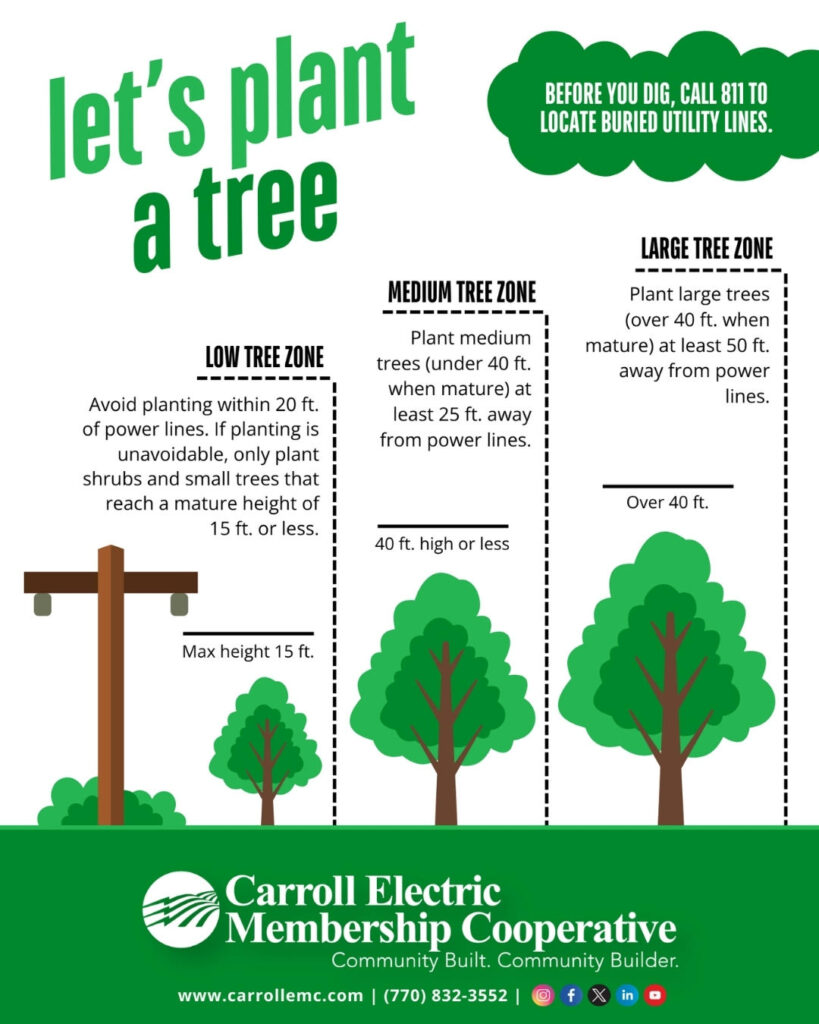
When choosing where to plant, it’s important to consider how tall your tree will grow. Planting the right tree in the right place helps prevent outages, keeps utility crews safe, and protects your trees for years to come.
Our friends at Carroll EMC created this handy guide on choosing the best spots for planting close to power lines.
- Under 15 feet (Small Trees / Large Shrubs) — Plant at least 20 feet from overhead lines.
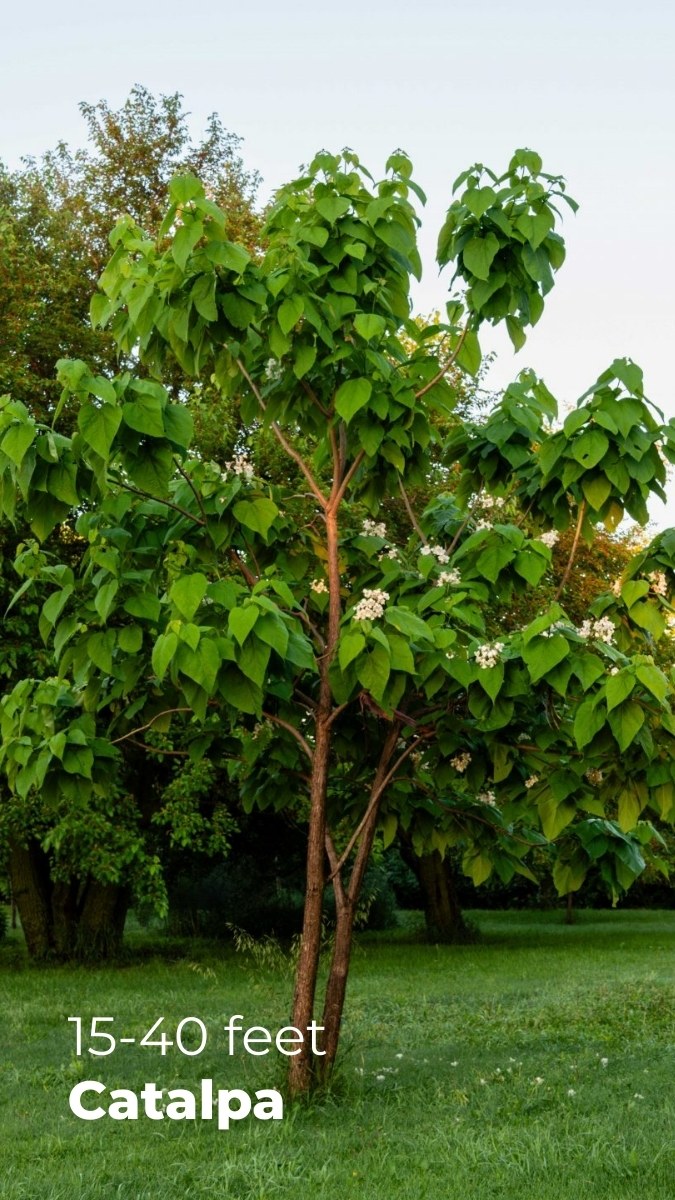
- 15–40 feet (Medium Trees) — Keep at least 25 feet away.
- Over 40 feet (Tall Trees) — Plant at least 50 feet from lines.
And remember – always call 811 before you dig.
Plant Native trees
Native trees are species that naturally occur in Georgia and have adapted to our soil, climate, and rainfall patterns over thousands of years. Because they belong here, they:
- Are better adapted to Georgia’s weather extremes
- Require less maintenance once established
- Need less supplemental watering
- Support local wildlife, including birds, pollinators, and beneficial insects
- Strengthen local ecosystems and biodiversity
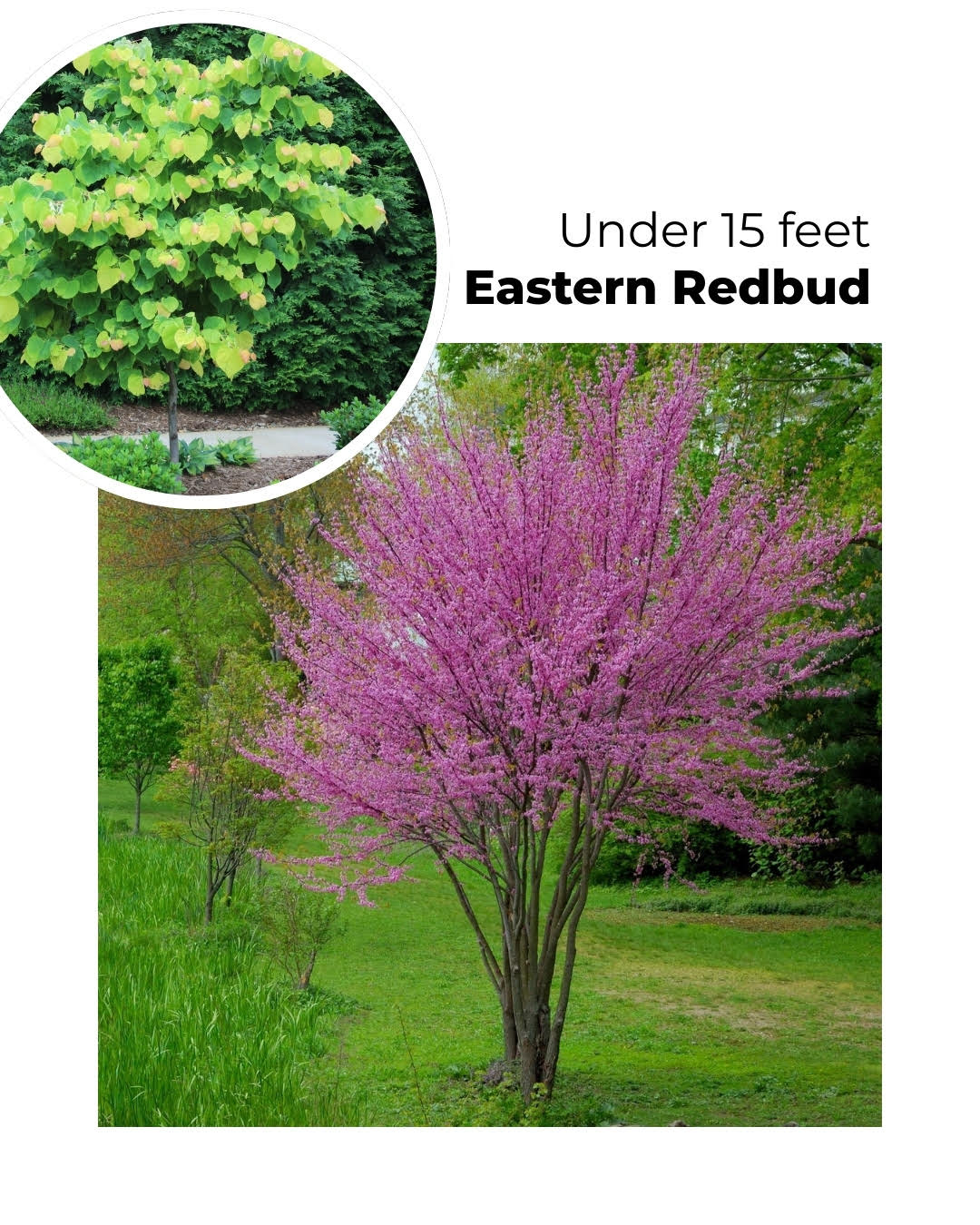
🌸Small Trees & Large Shrubs ( under 15 ft tall)
- Eastern Redbud — Heart-shaped leaves, early blooms, supports native bees.
- American Hornbeam — Slow-growing, great fall color, shade-tolerant.
- Downy Serviceberry — Spring flowers, edible berries, multi-season beauty.
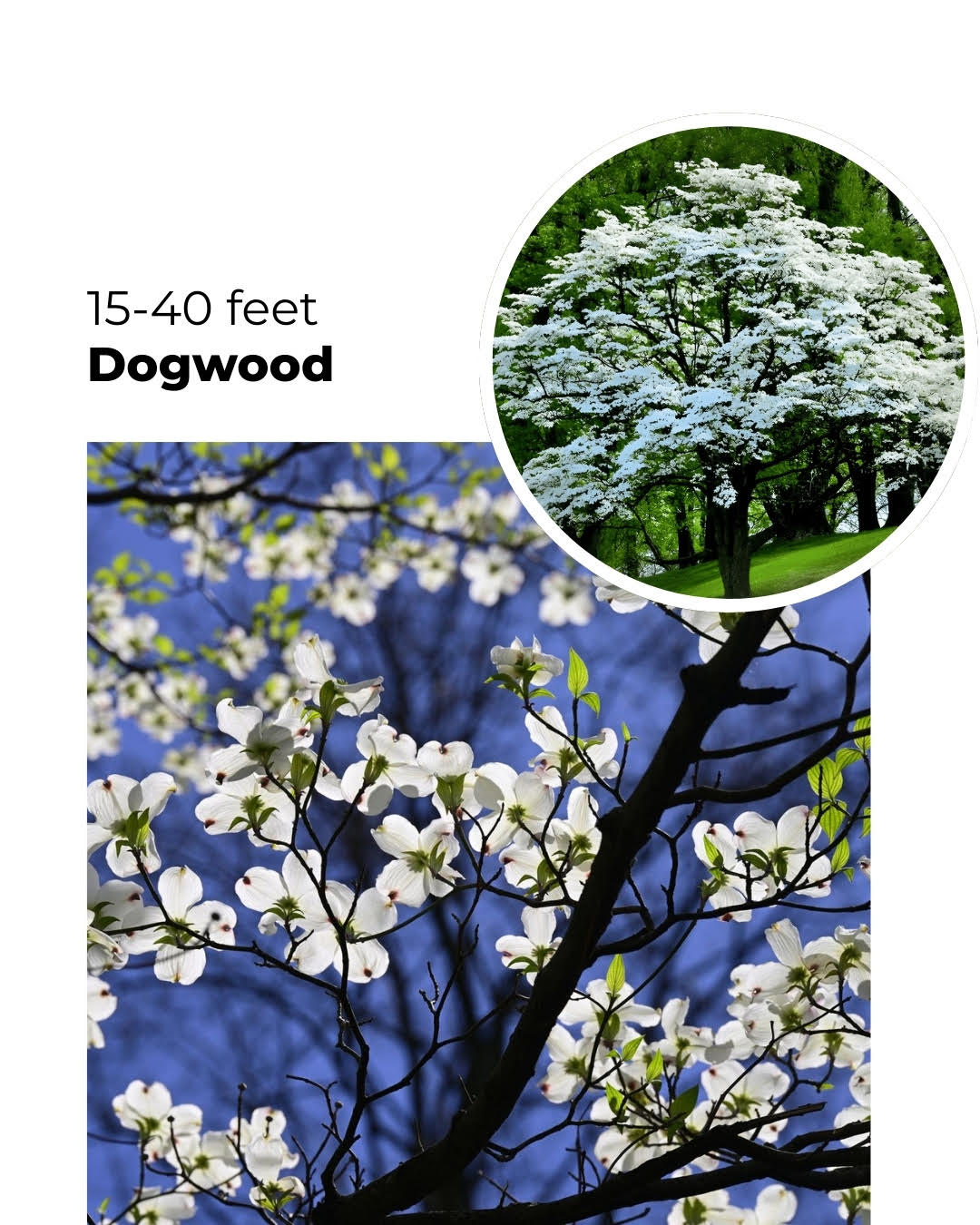
🌲Medium Trees (15–40 feet).
- Flowering Dogwood — Georgia’s state tree, loved for its spring blooms and red berries.
- Sourwood — Brilliant red fall foliage, pollinator-friendly summer flowers.
- Hop Tree — Host plant for the giant swallowtail butterfly and citrus-scented leaves.
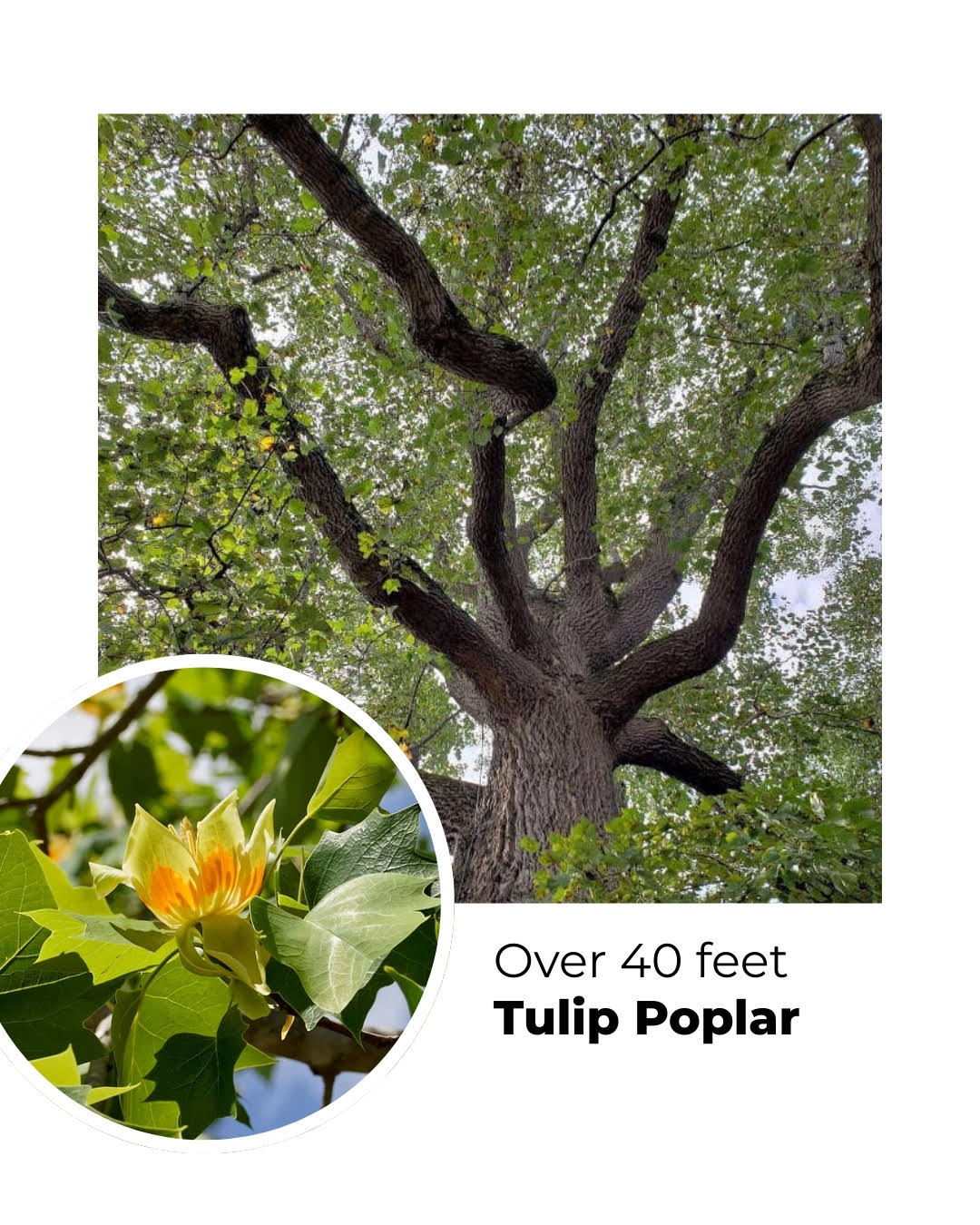
🌳Tall Trees (over 40 feet).
- Southern Red or White Oak — Majestic native oaks that support wildlife and pollinators.
- Tulip Poplar — Fast-growing with tulip-shaped flowers and great shade.
- Bald Cypress — Beautiful, unique structure and soft, feathery foliage.
Trees Available at Our Giveaway
🌱 Stop by on Friday, February 20th, and next week during office open hours – Tuesday through Friday, 10 am to 2 pm, to grab a tree sapling and native flower seeds.
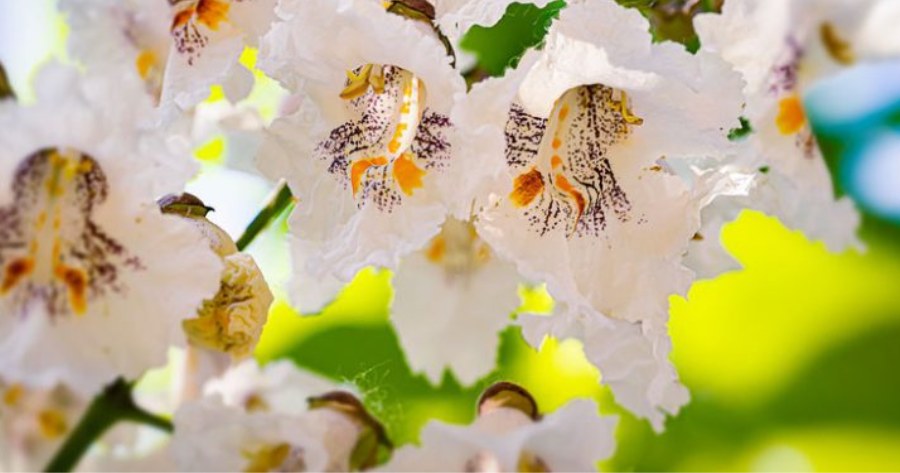
Catalpa (Southern Catalpa)
Known for its large, heart-shaped leaves and showy white flowers in late spring. Catalpas grow quickly and provide generous shade. They’re also famous for attracting catalpa worms (actually moth larvae), which are prized fishing bait!
Bald Cypress
A standout native tree that thrives in wet areas but also adapts well to typical landscapes. Bald cypress is unique because it’s a deciduous conifer — it has soft needles that turn a beautiful copper color and drop in fall. It’s extremely resilient and long-lived.
White Oak
A majestic, long-lived native hardwood that can live for centuries. White oaks support hundreds of species of wildlife, especially birds and pollinators. They grow into strong, wide-spreading shade trees and are a cornerstone species in Georgia forests.