Why Are Native Plants Important?
What Are Their Benefits?
Why Native Plants?
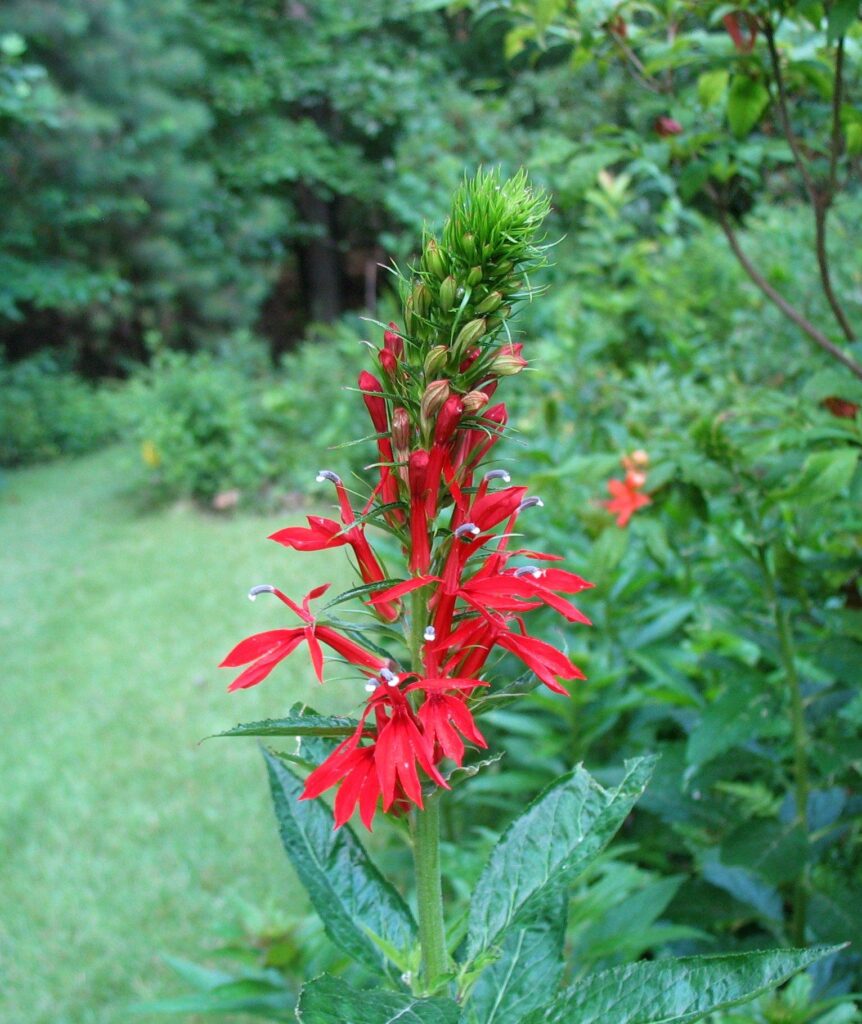
1. Native plants showcase the natural beauty of an area.
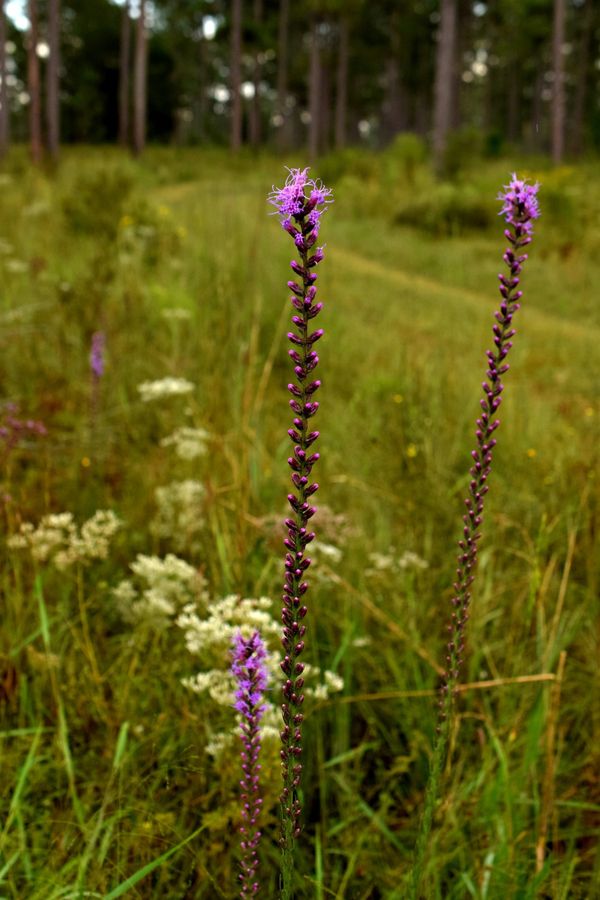
- Georgia is a unique place with 5 different ecoregions and many natural communities within them.
- A native garden can have year-round seasonal interest.
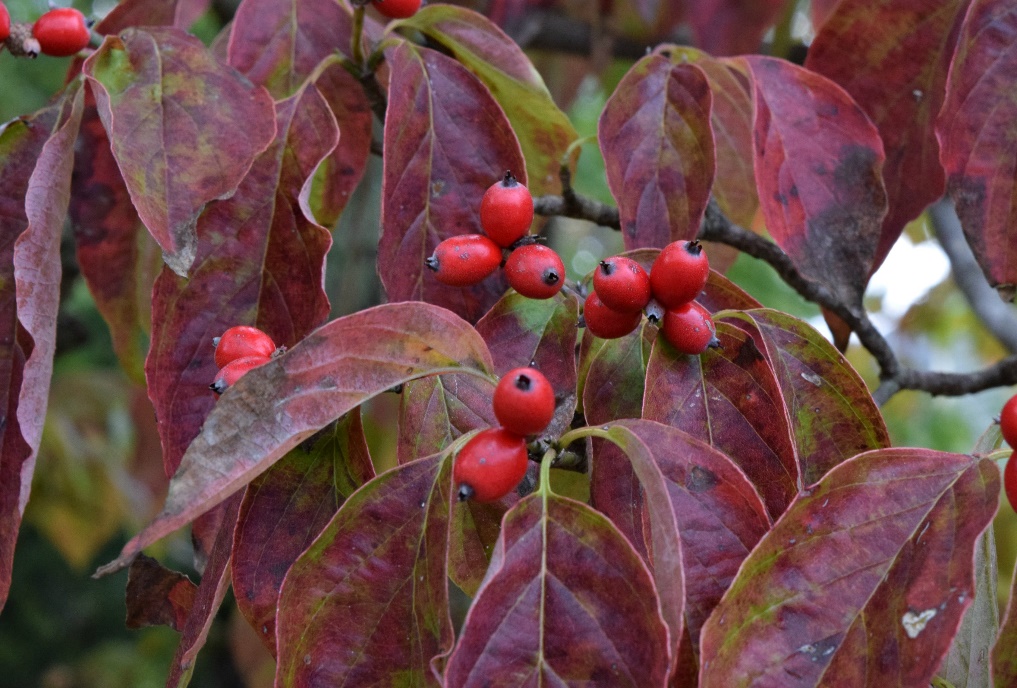

2. Native landscapes require less care and protect the environment.
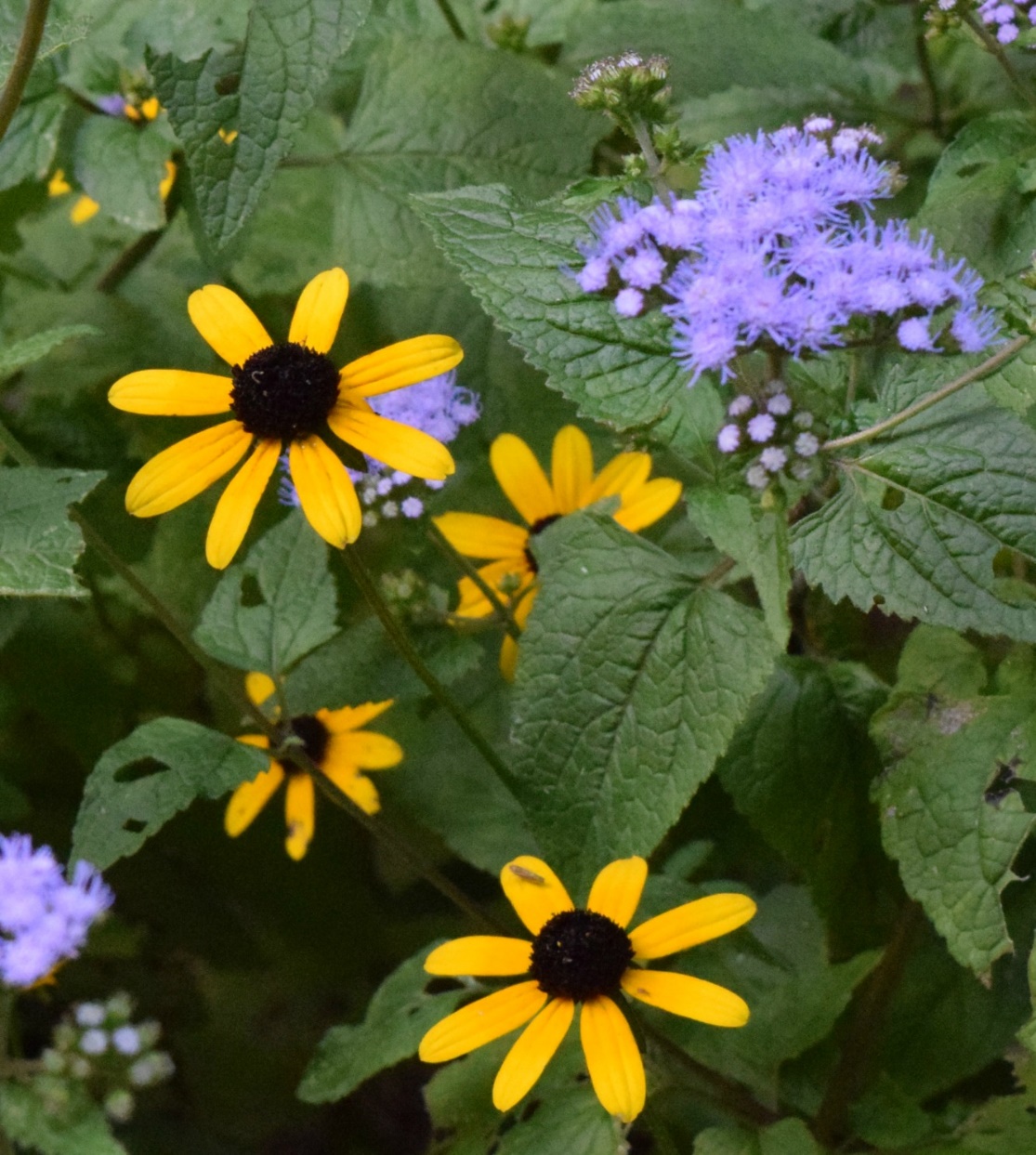
- Once established, native plants rarely need watering.
- Native plants don’t need protection from typical Georgia heat or frost.
- Native plants are adapted to native soils, like clay, and have deep roots that prevent erosion.
- Annuals reseed themselves, perennials return every year.
- Regular mowing and chemical applications like fertilizers and pesticides are not necessary.
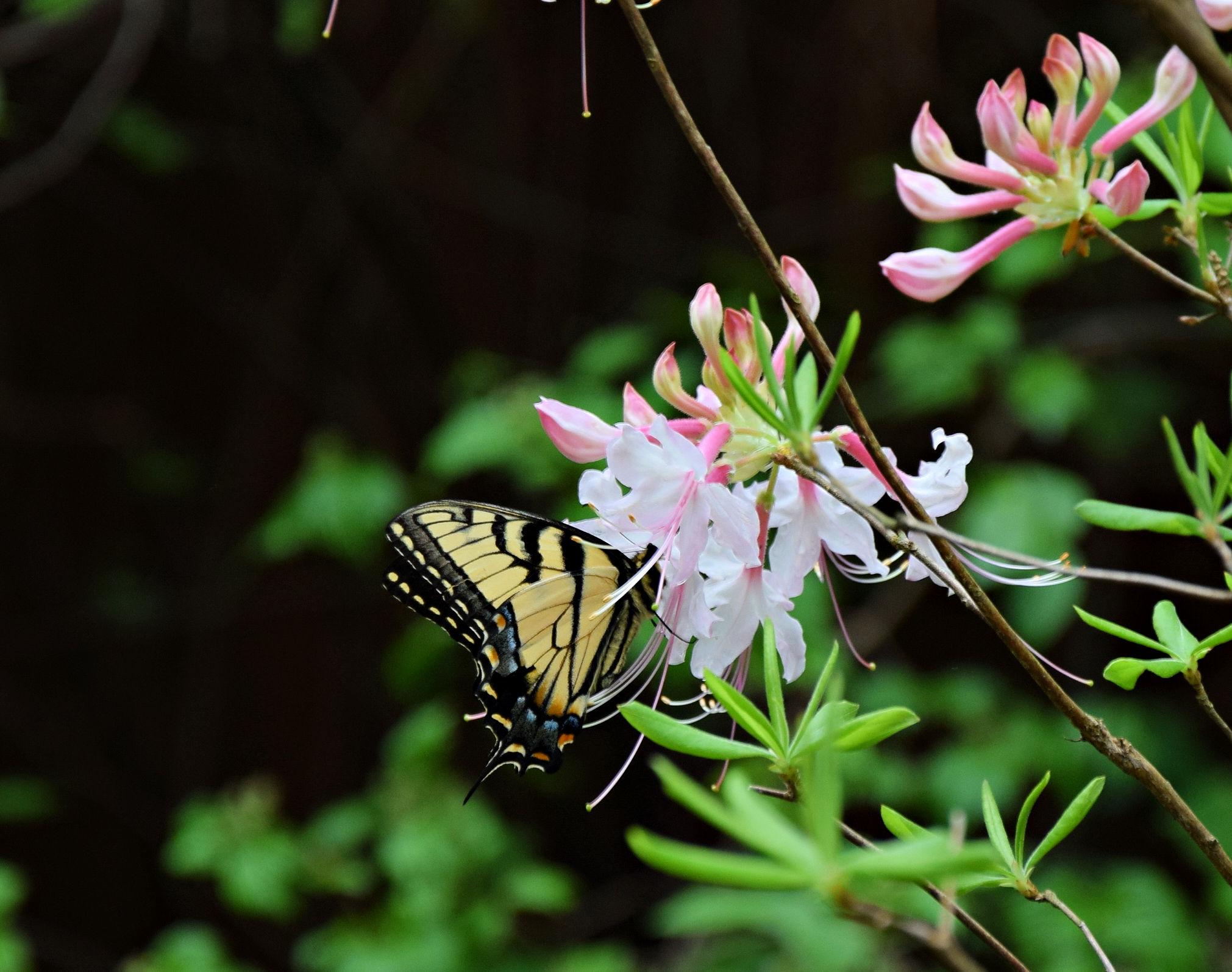
3. Native Plants create habitat and increase biodiversity.
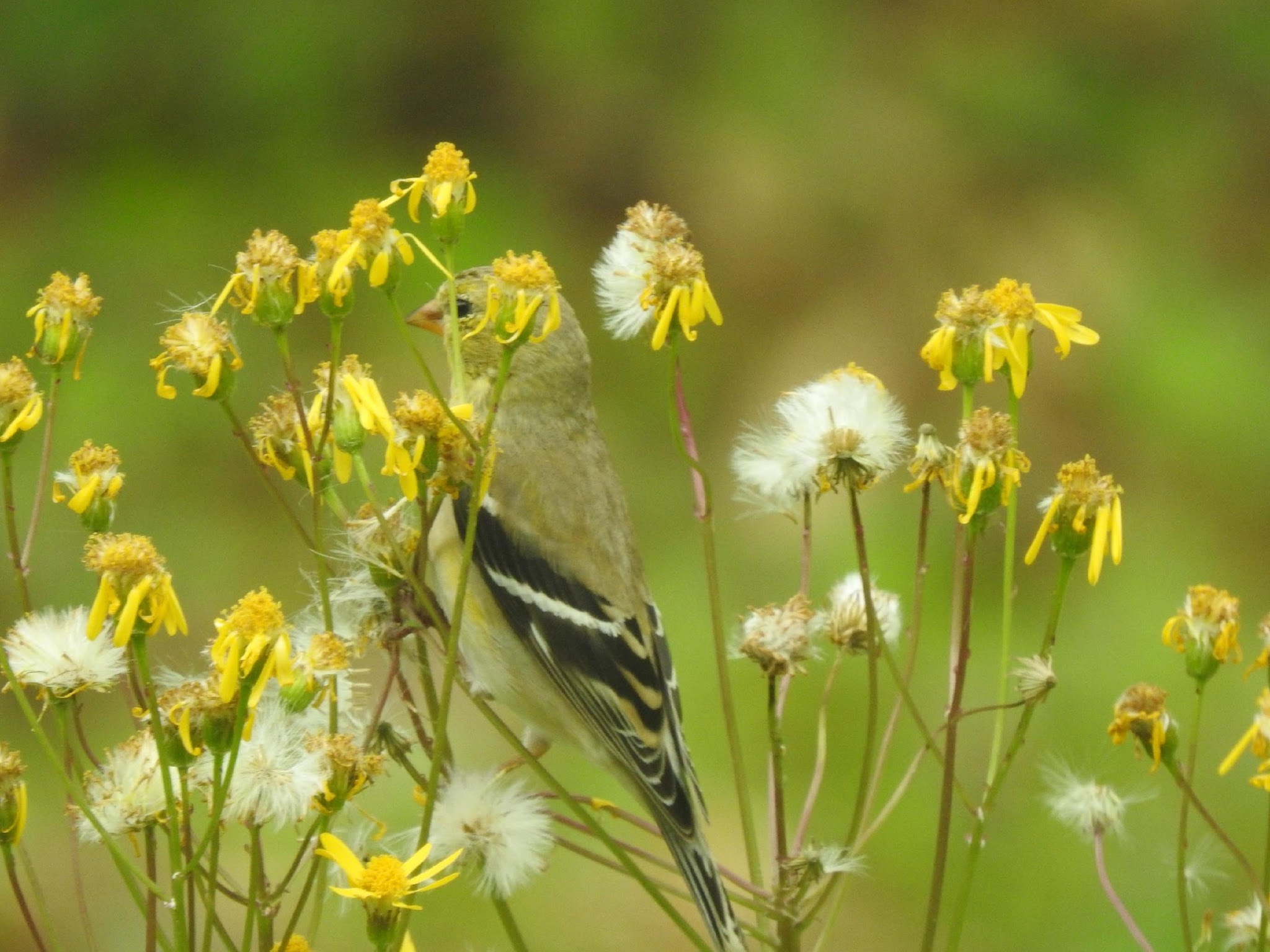
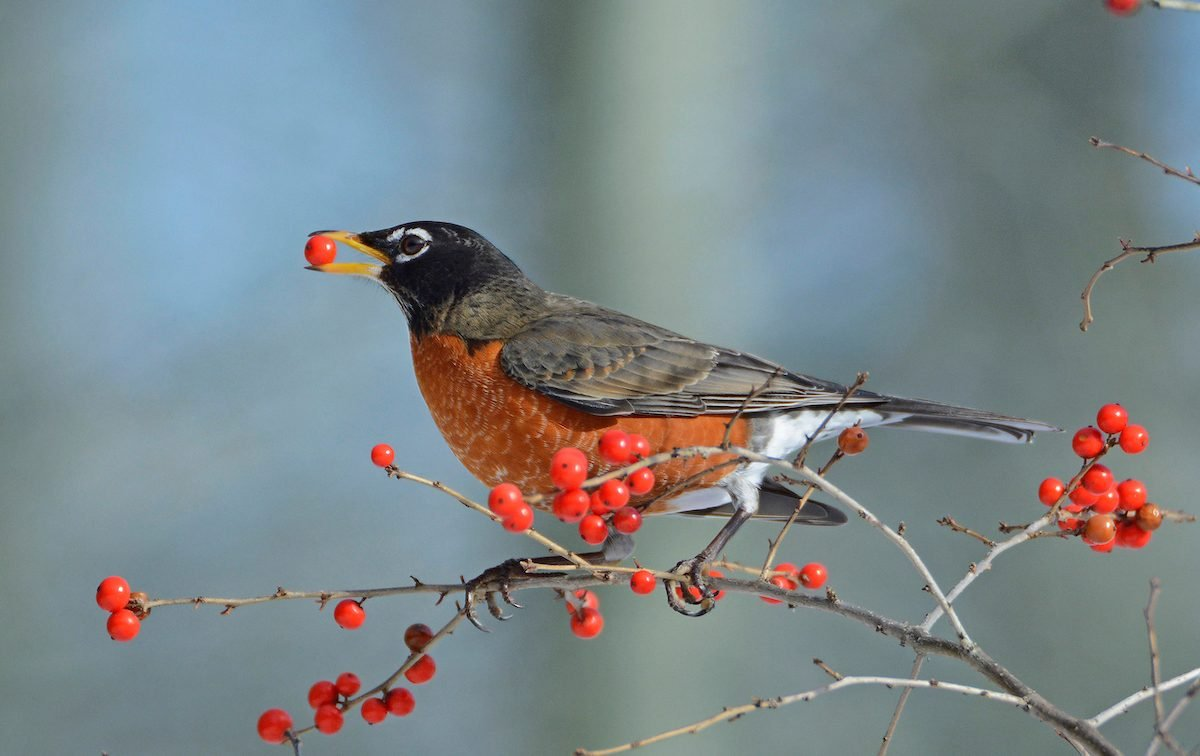
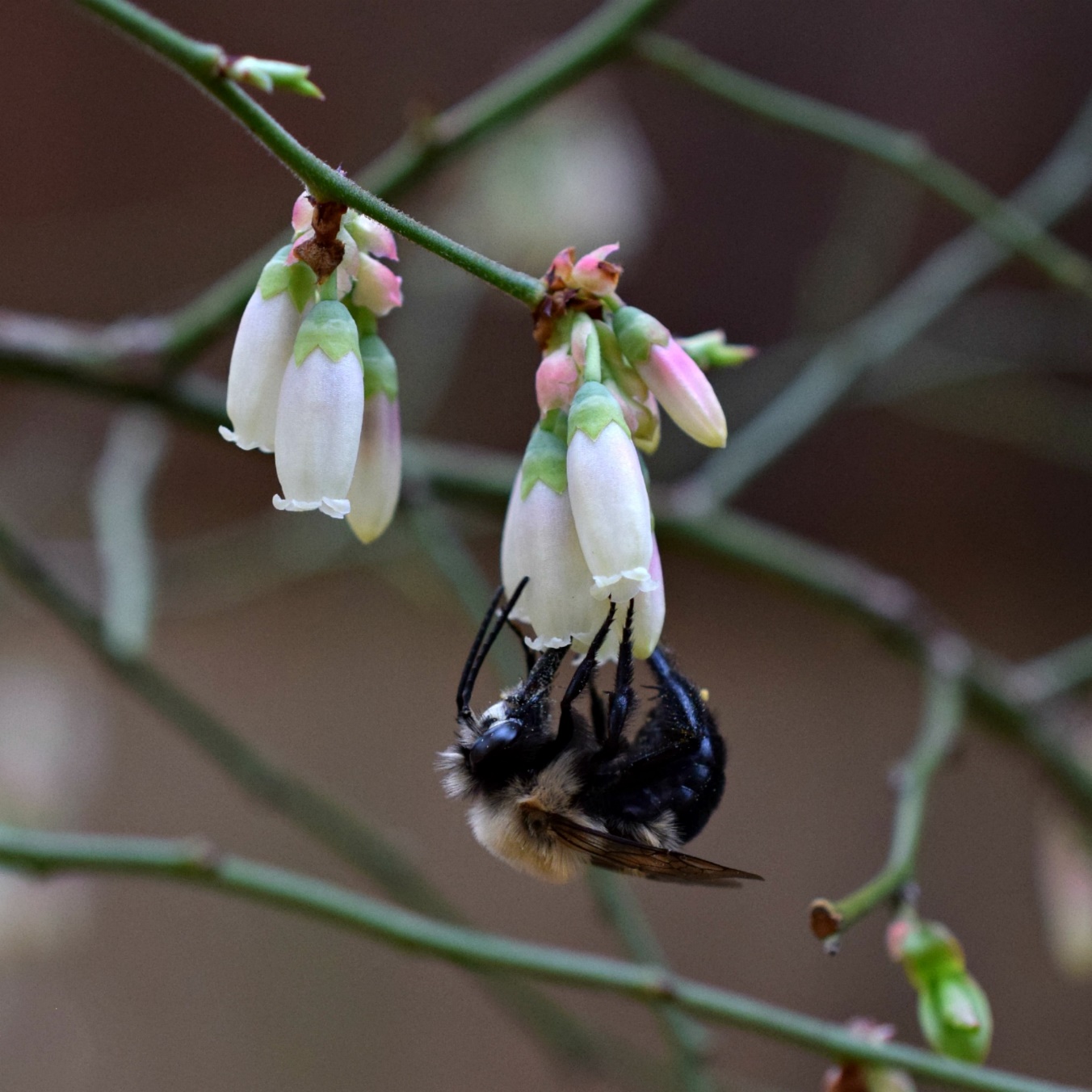
- Native plants support native insects, birds, and other wildlife in their life cycles.
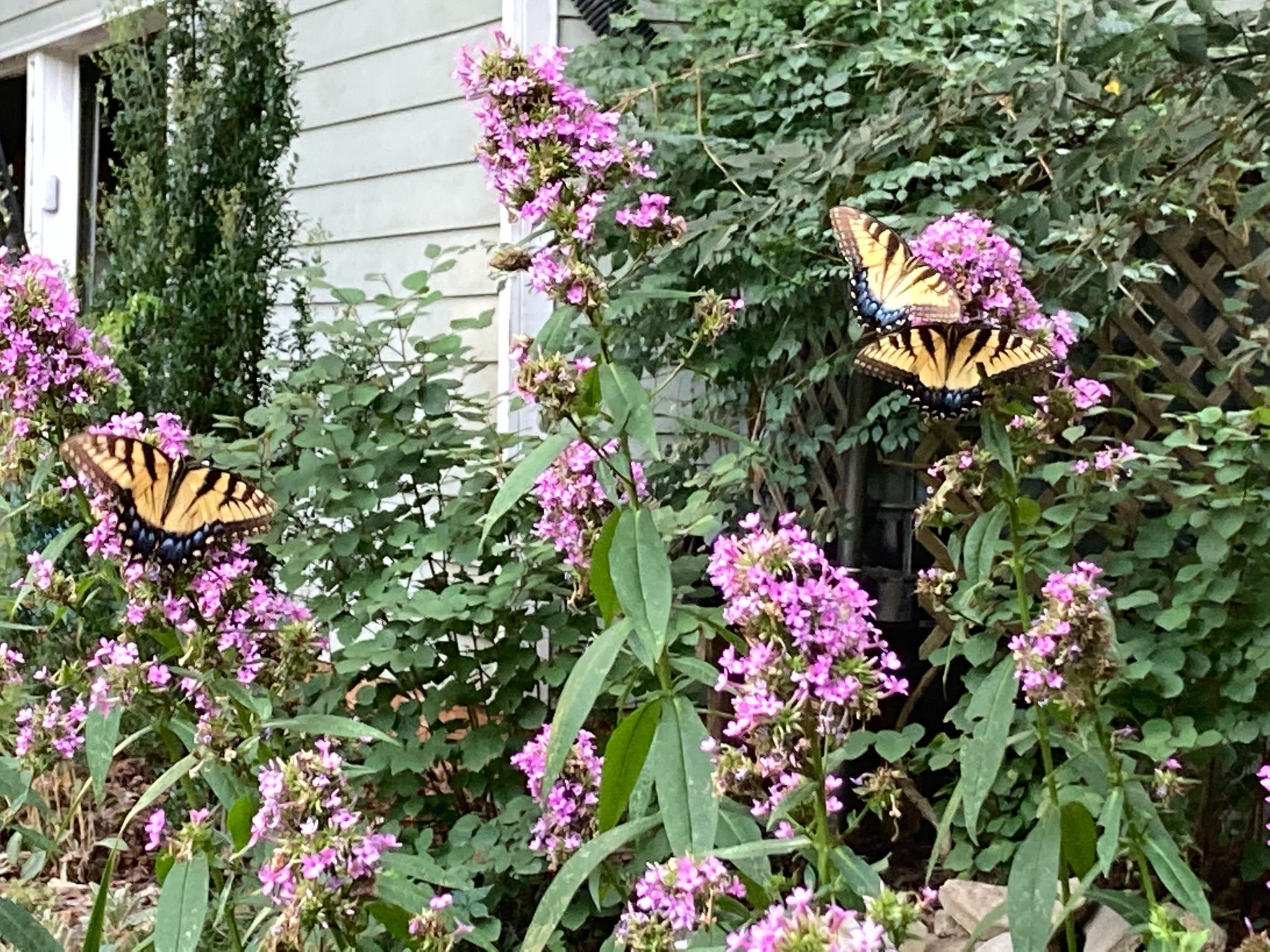
- Specialist bees and butterflies rely on specific species of plants to survive.
- Multiple native plant microhabitats can create connected corridors increasing species populations and biodiversity.
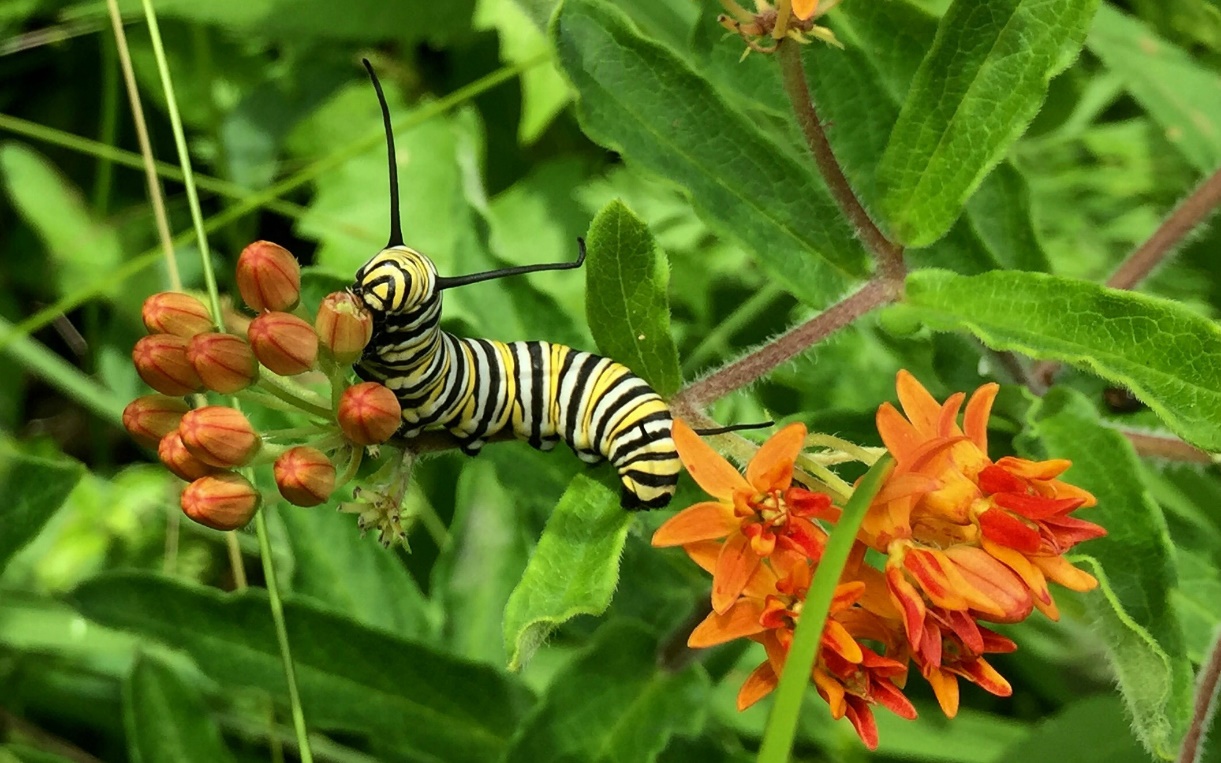
An Example of Why What You Plant Matters
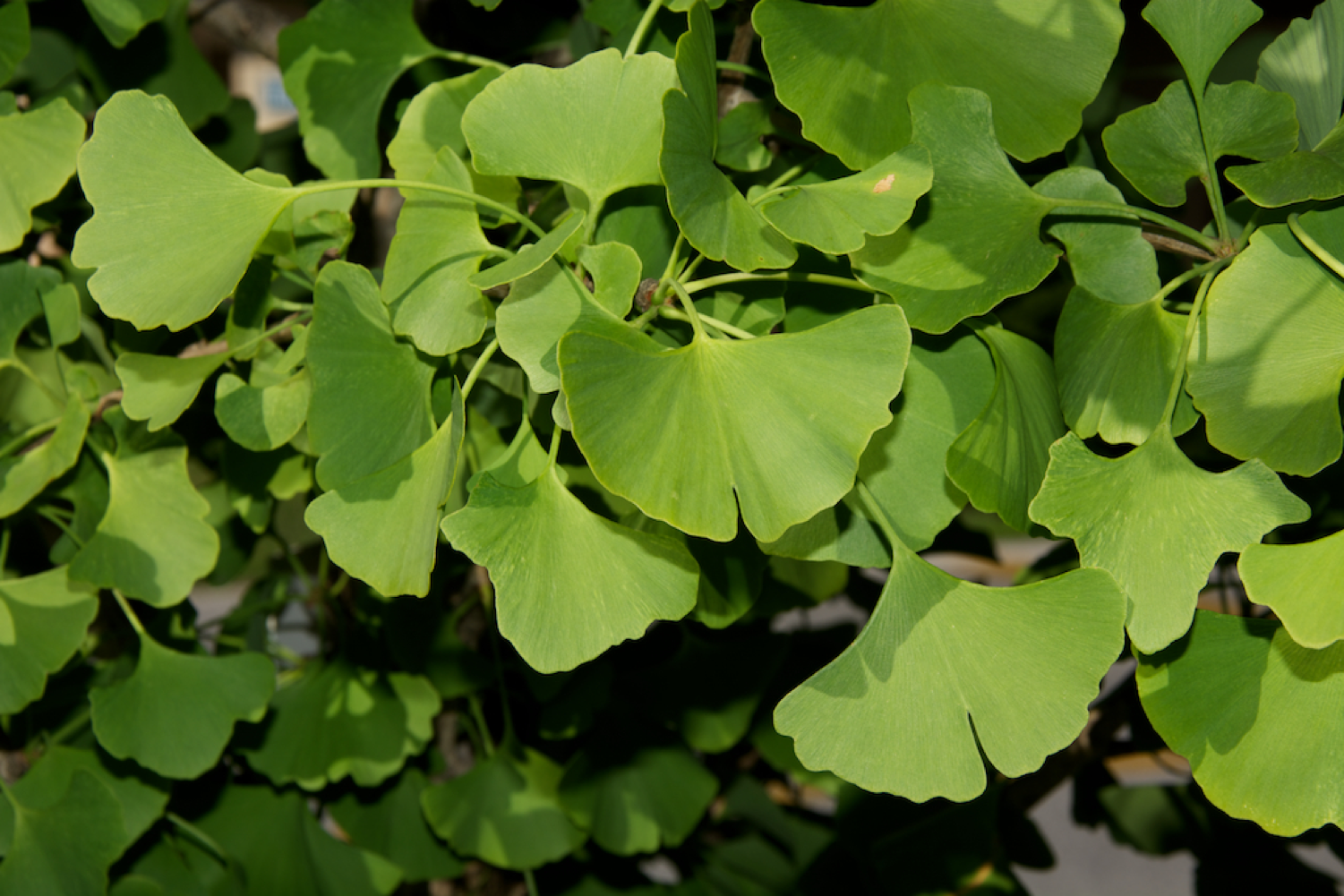
Gingko trees, an exotic used in landscaping, hosts 0 species of butterflies or moths.
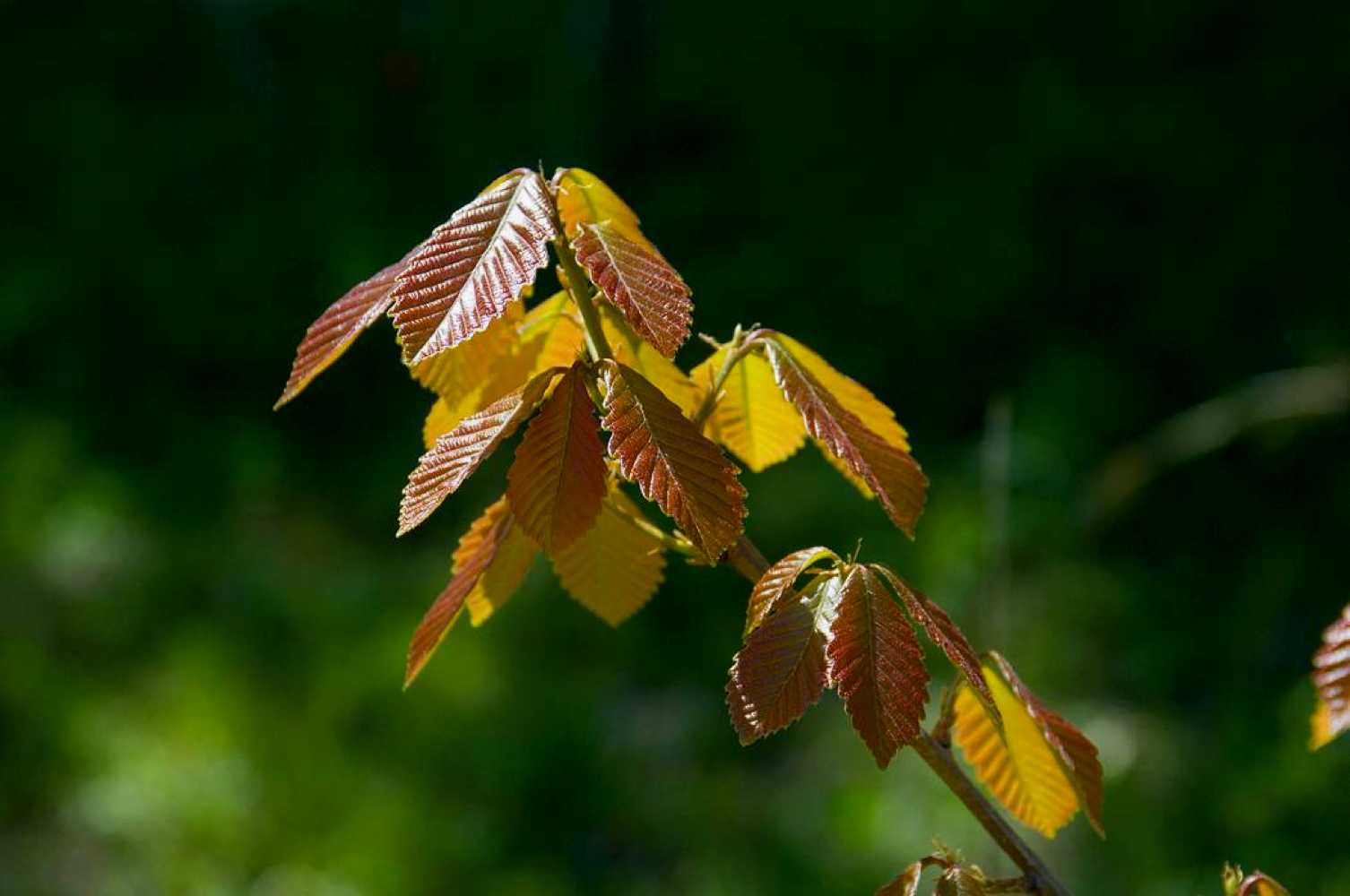
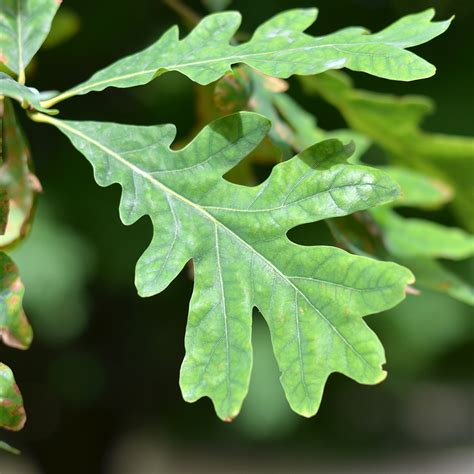
Native oak trees serve as the caterpillar host plant for 557 species of butterflies and moths.
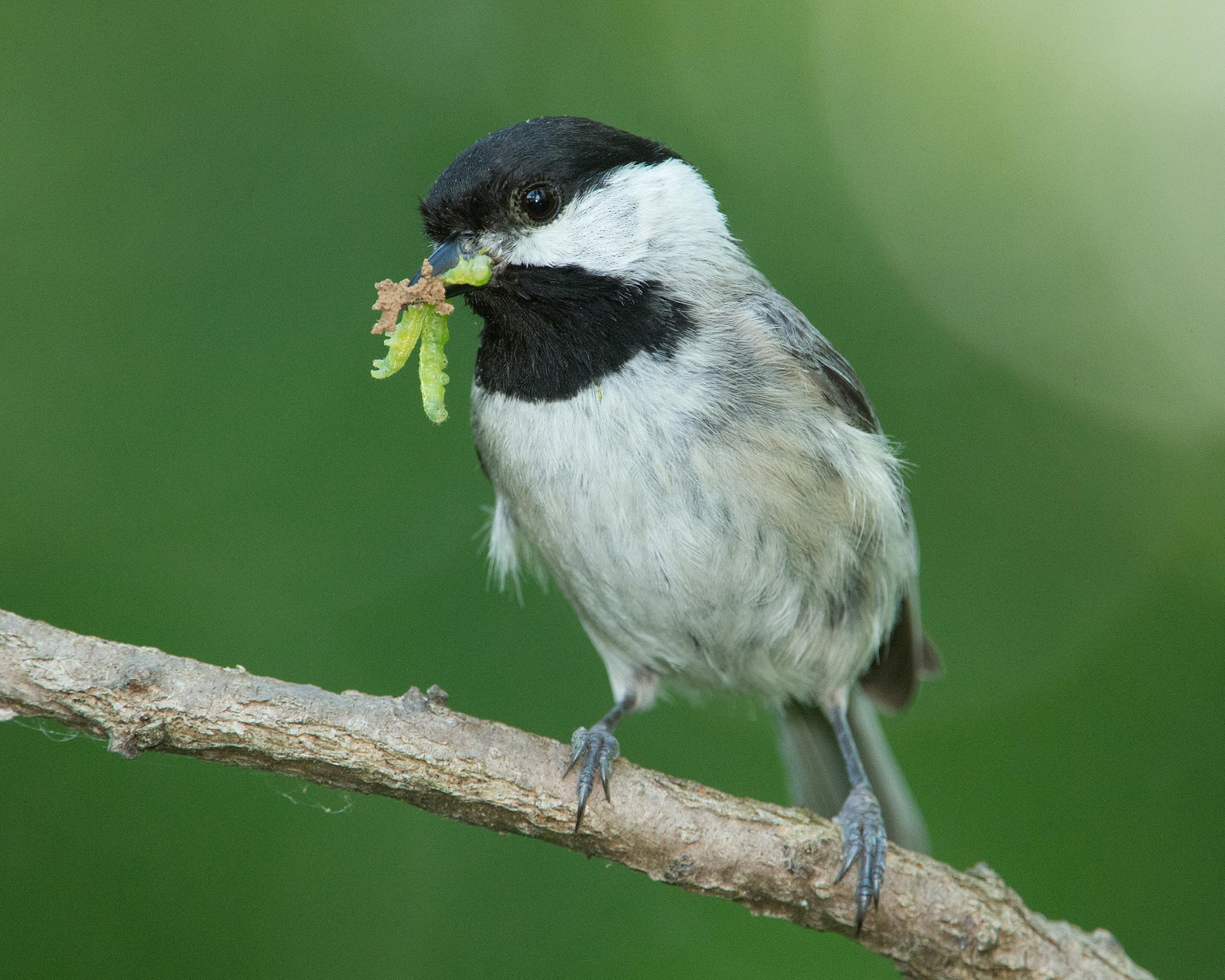
Carolina chickadees need 6,000-9,000 insects to raise one clutch of babies. Their preferred food is caterpillars.

There Are Major Threats to Native Plants
- Habitat Loss – As more land is developed, there is less space for plants and wildlife.
- Climate Change – Shifting temperatures and rainfall plus more frequent extreme weather events negatively affect plant success.
- Exotic, Invasive Plants – Outcompete native plans and destroy ecosystems. * Everyone can help decrease this threat.
Plant Terminology to Know
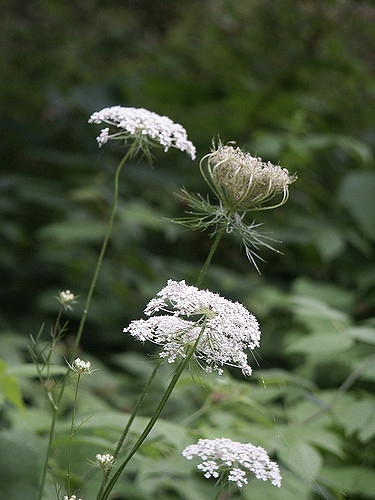
(Daucus carota)
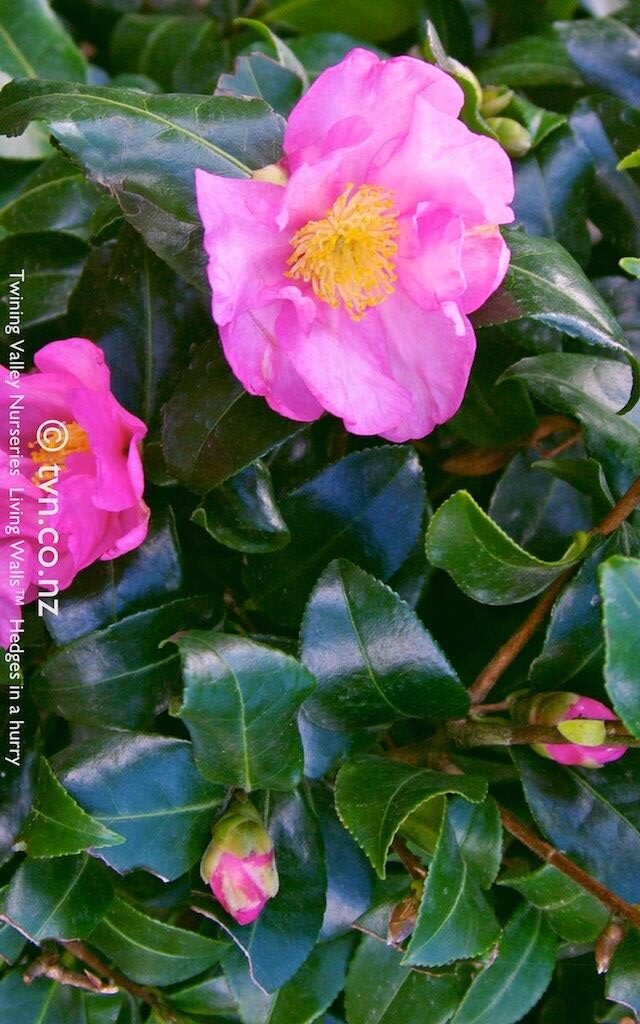
(Camellia sasanqua)
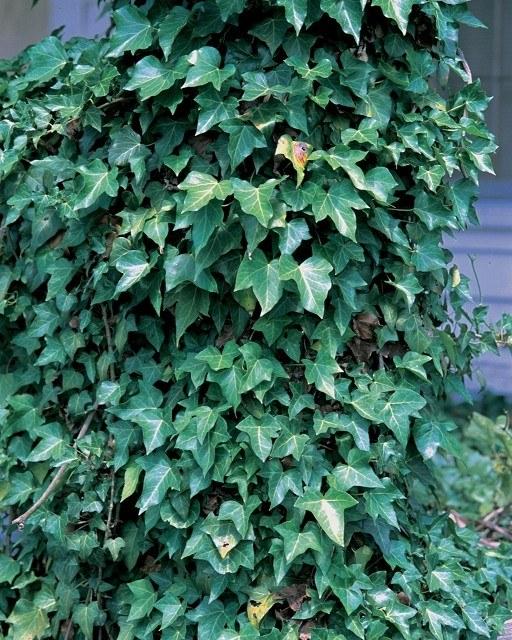
(Hedera helix)
Naturalized
An exotic plant that spreads without human help.
Exotic
A plant brought by human movement into an area where it did not evolve. Some exotics do not outcompete natives.
Invasive
An exotic plant that spreads so extensively that it outcompetes native plants and damages the ecosystem.
Top Invasive Exotic Plants to Know
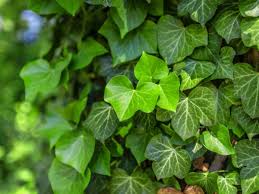
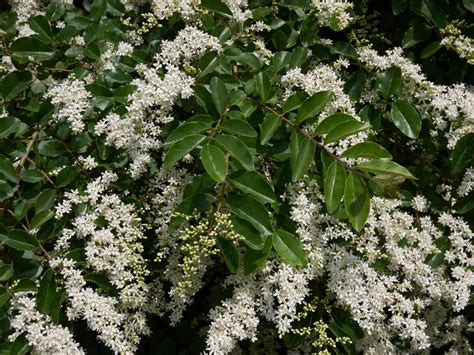
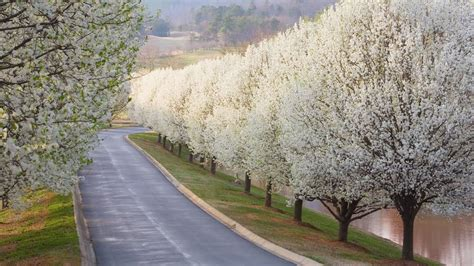
Every Plant Counts… So, Where Do You Begin?


Strategies to Get Started:
- Shrink the Lawn – Replace unused lawn areas with native plants.
- Add a Container – Many native wildflowers, vines, and groundcovers do fine in a container pot.
- Create a Pollinator Hub – Identify an area where you want to attract butterflies, bees, and birds.
- Substitute Invasives with Natives – Plant shopping can get out of control! Start by replacing the problem plants.
How Do I Get Started?
- Measure – Determine how much space you want to dedicate to native plants. Will it be in the ground or in pots?
- Prioritize – If you have multiple areas or a large space, choose one area or one portion.
- Preferences – Identify types of plants that you desire to have (wildflowers, shrubs, trees, ferns, groundcover, vines).
- Budget – Gardening can get out of control! Set your spending to your priorities.


What Do I Need to Know?
- Light – Is the area in full sun, part sun/shade or shade?
- Moisture – Is this a wet, average or dry area?
- Soil – Is it clay, sandy or loamy?
- Water Access – Is there a spicket nearby or will you need to bring in water?
Can I Get Started Now?
- What time of the year is it? Your actions are determined by the seasons.
- Are you installing plants or seeds? Plan the timing of your work on what form the plant is in.
- What is most important to you? Know what you’re aiming to do and focus on that.

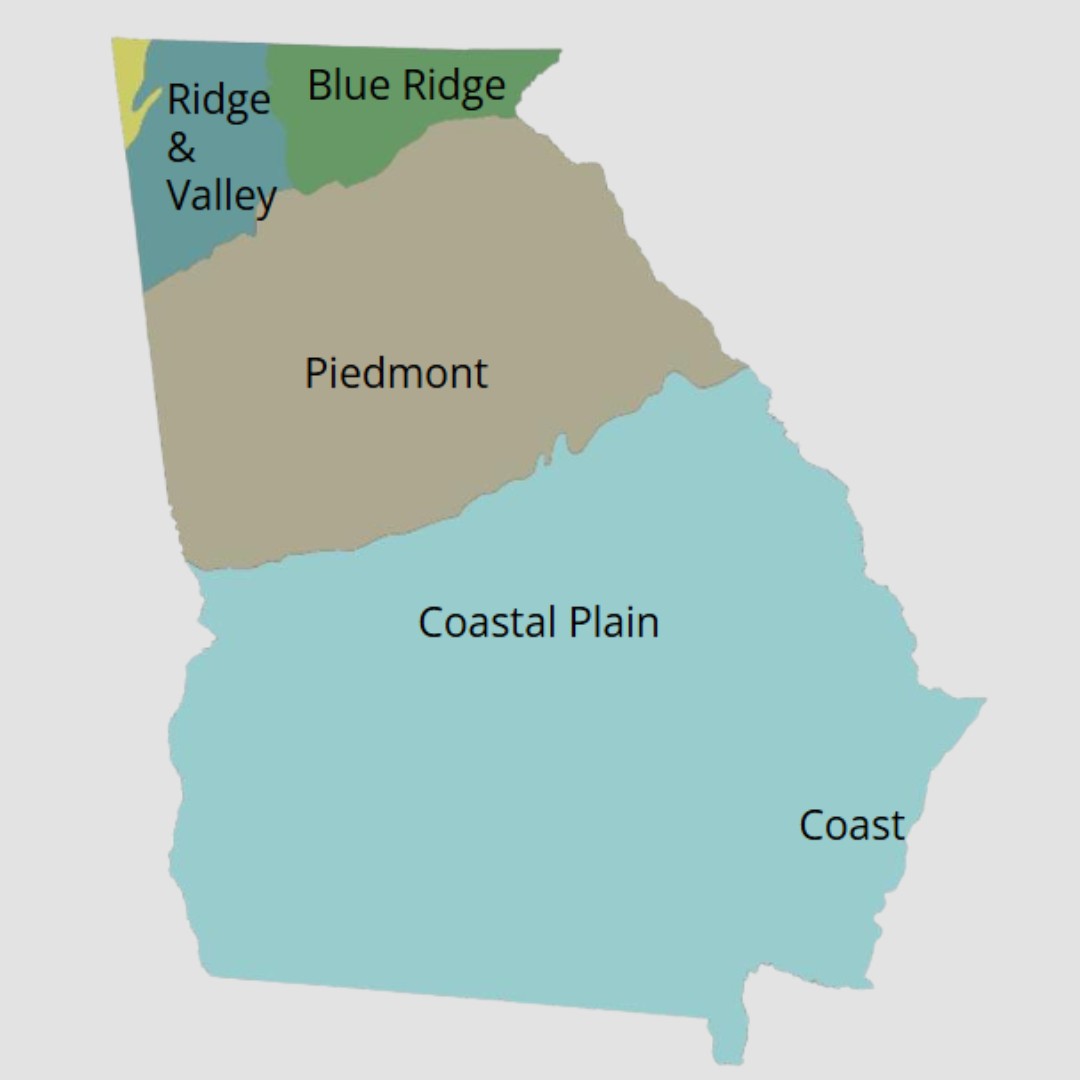
Know Your Ecoregion
Native plants are adapted to the geological, soil, and climate conditions of their ecoregion.
Carrollton/Carroll County is in the Piedmont ecoregion.
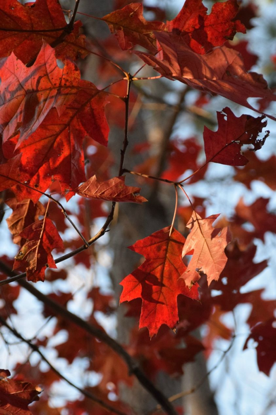
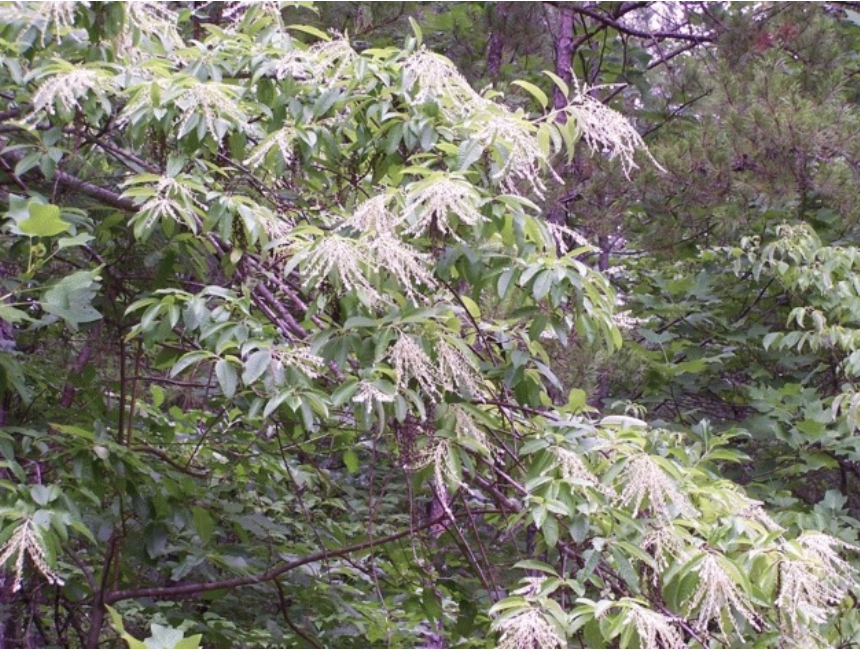
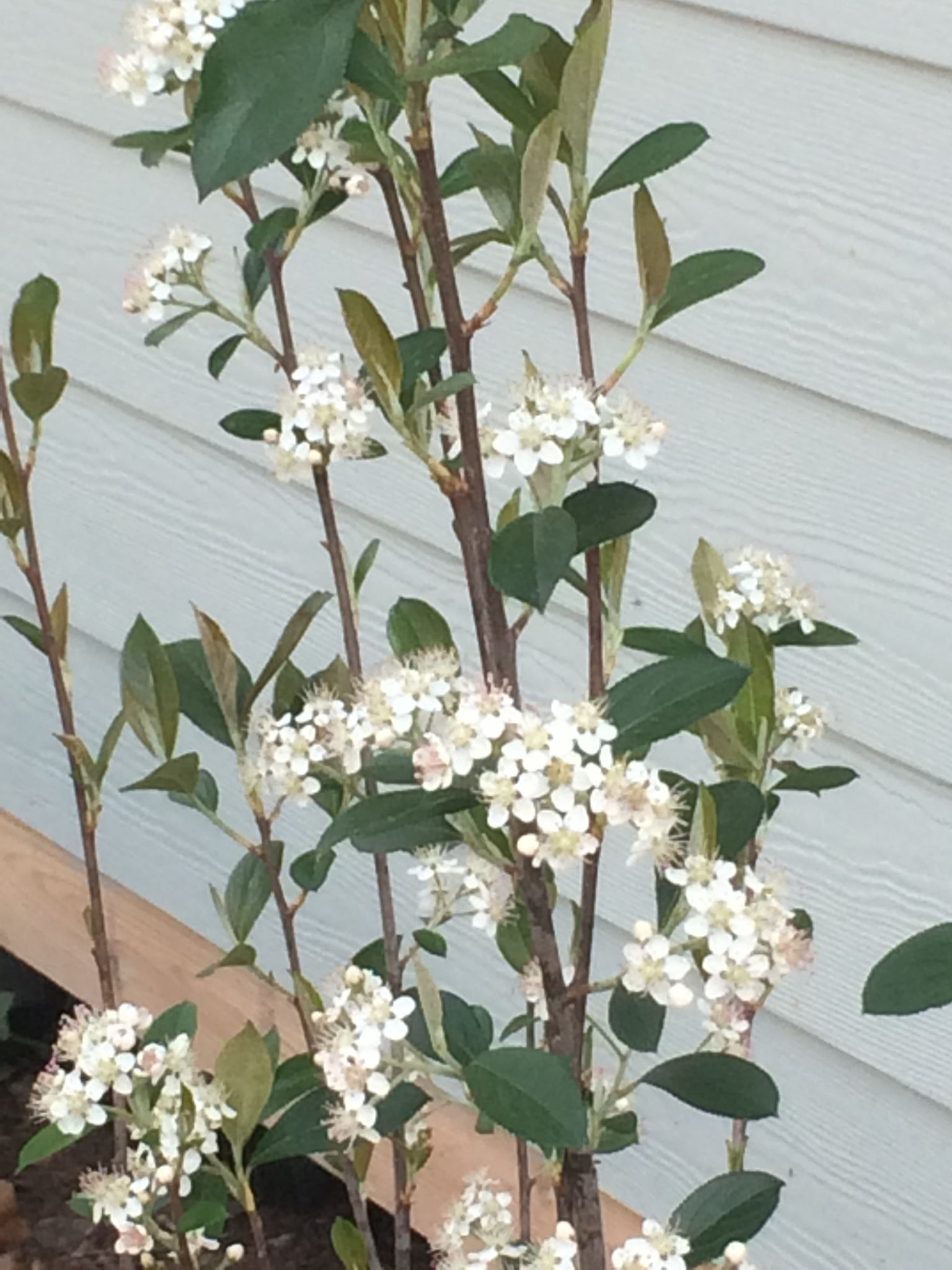
Plants – Trees
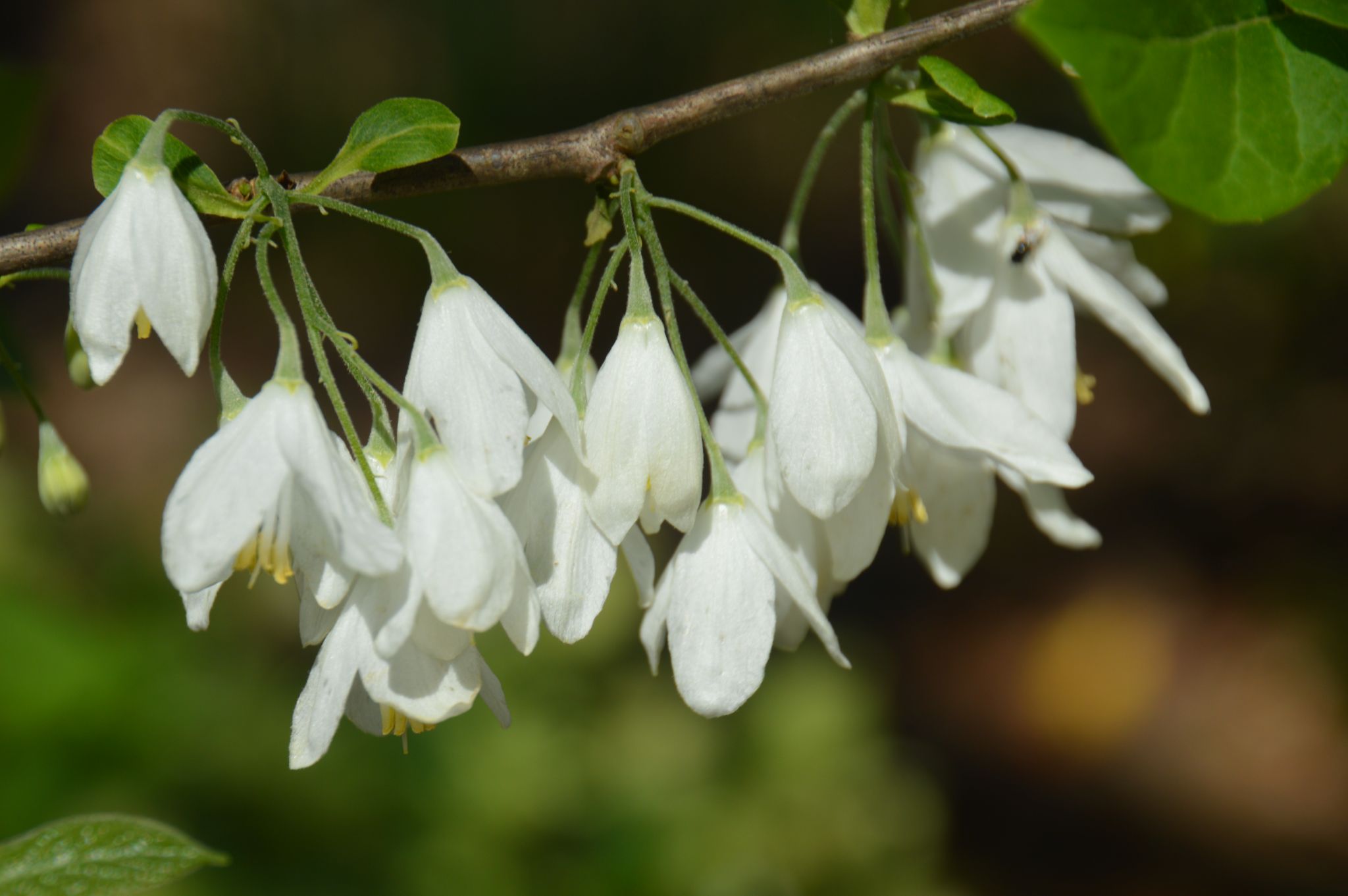
Plants – Shrubs


Plants – Shrubs


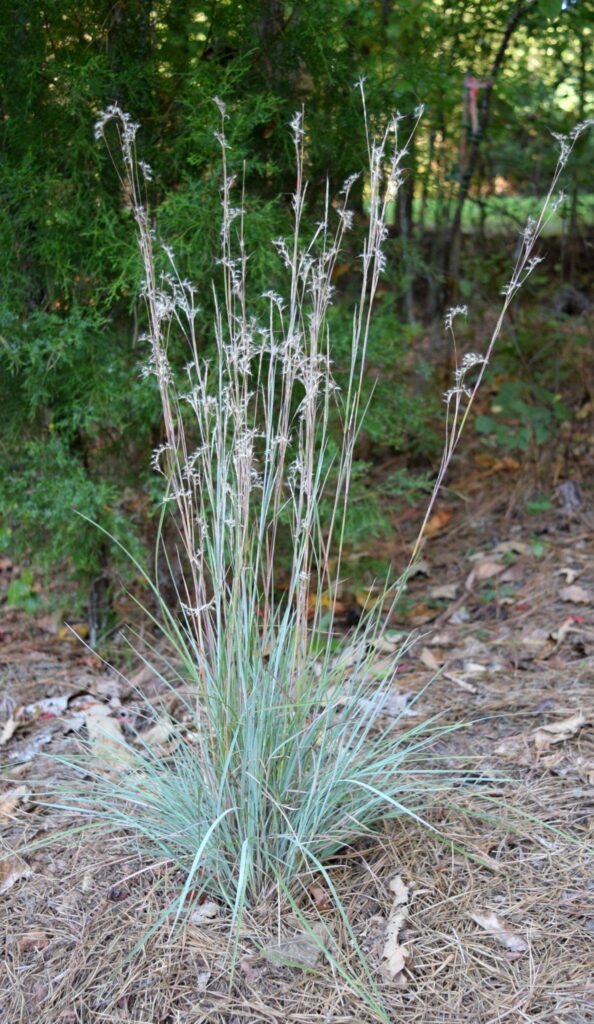
Plants – Perennials
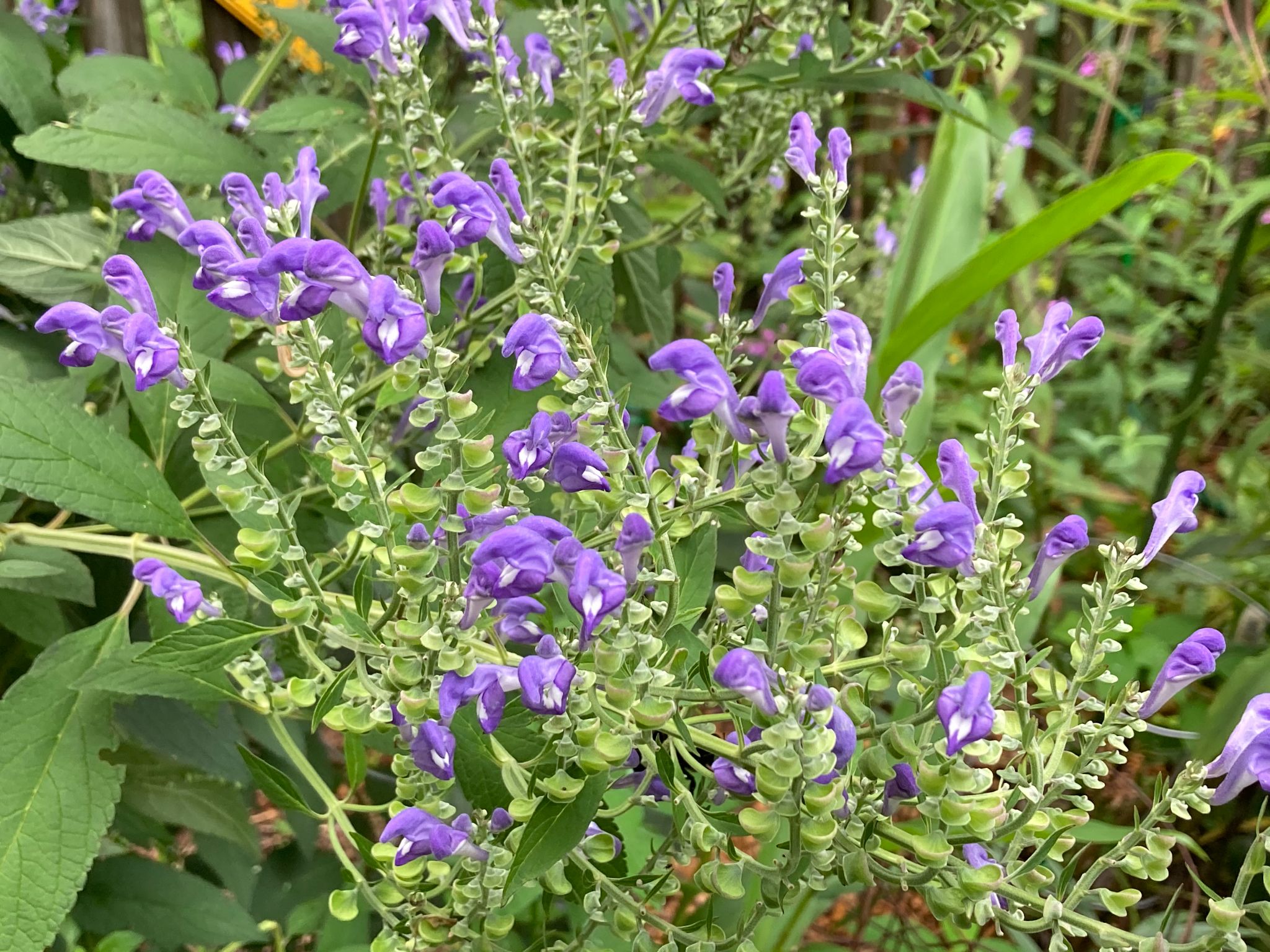
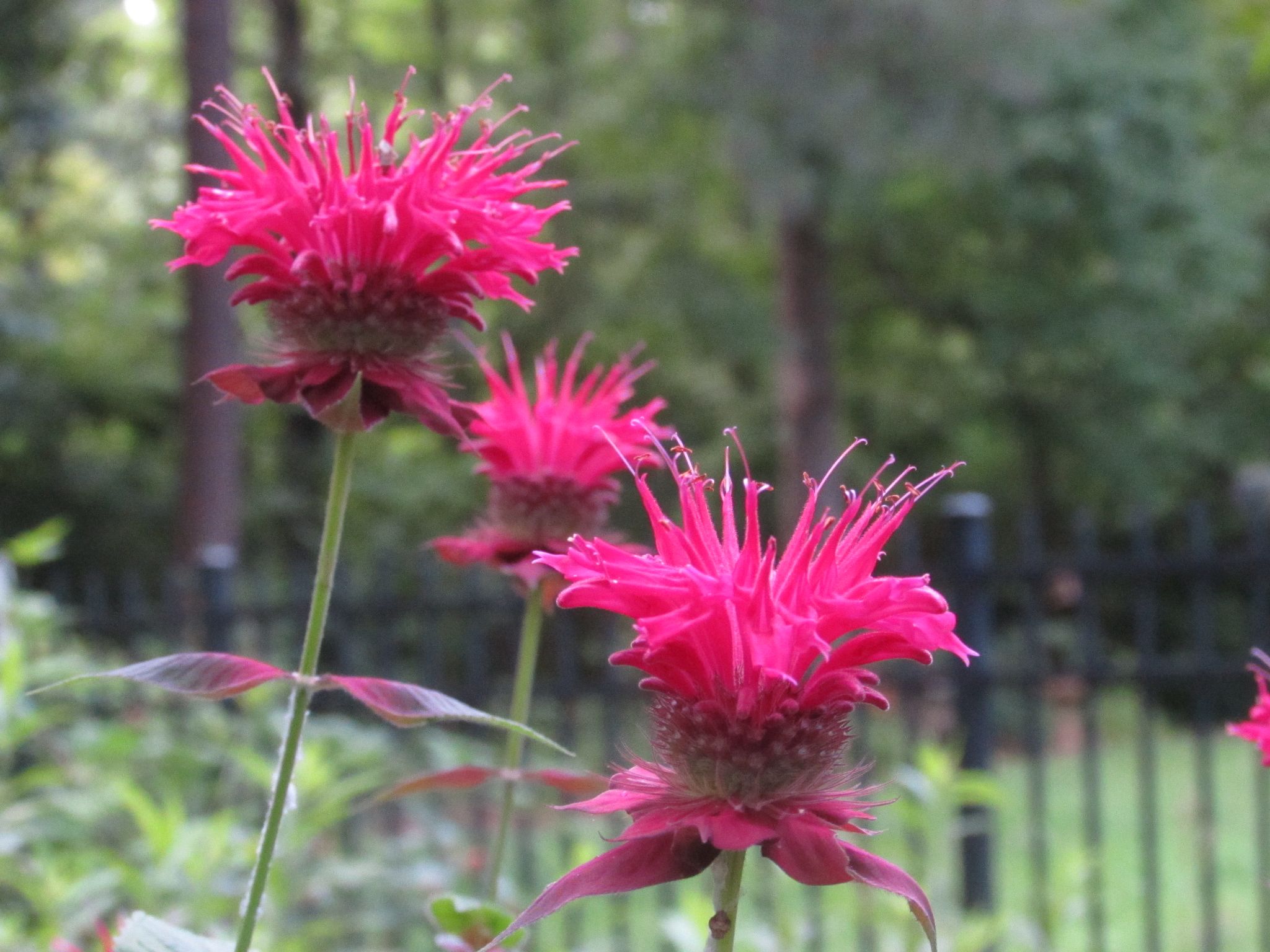
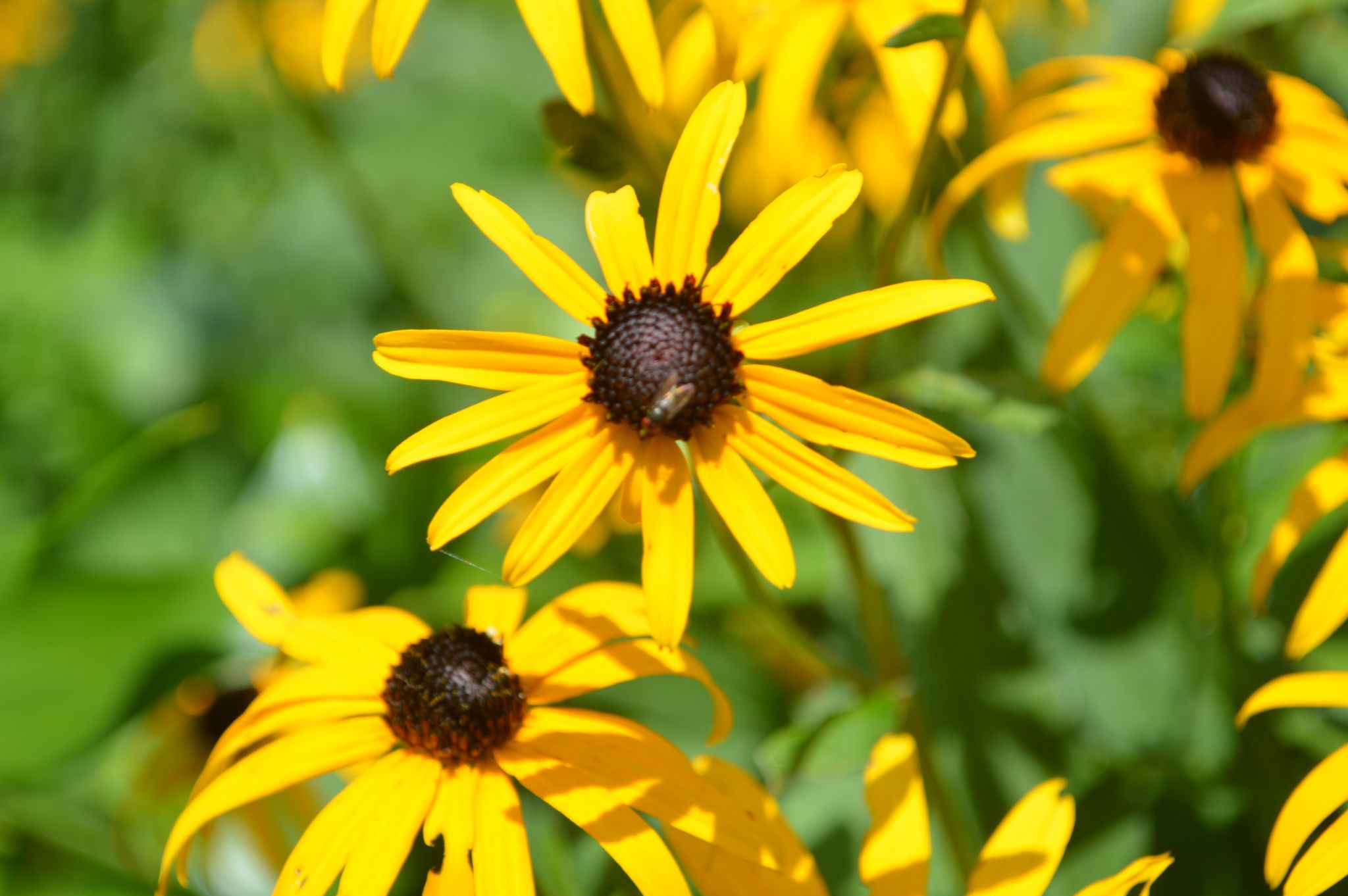
Plants – Perennials


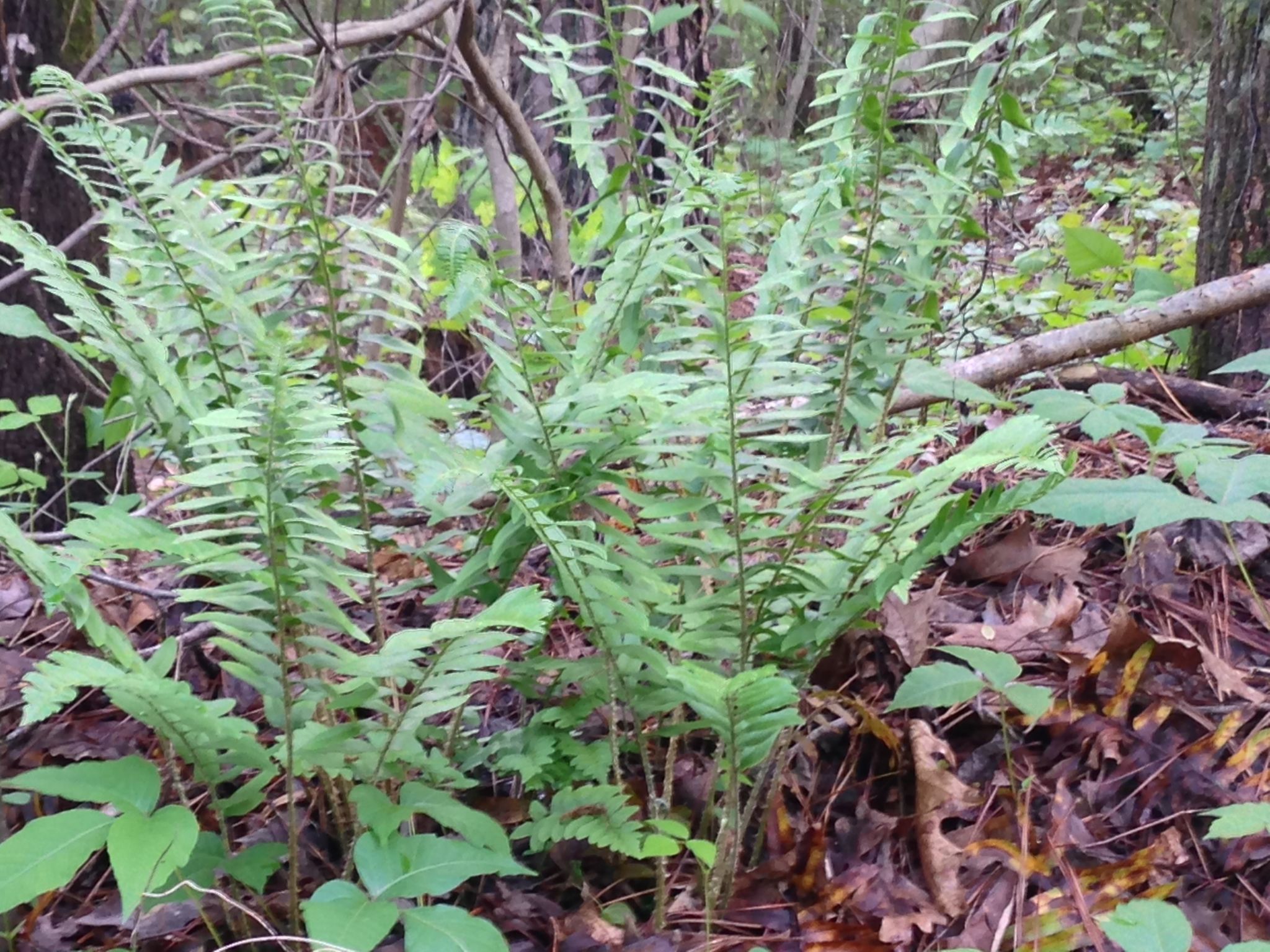
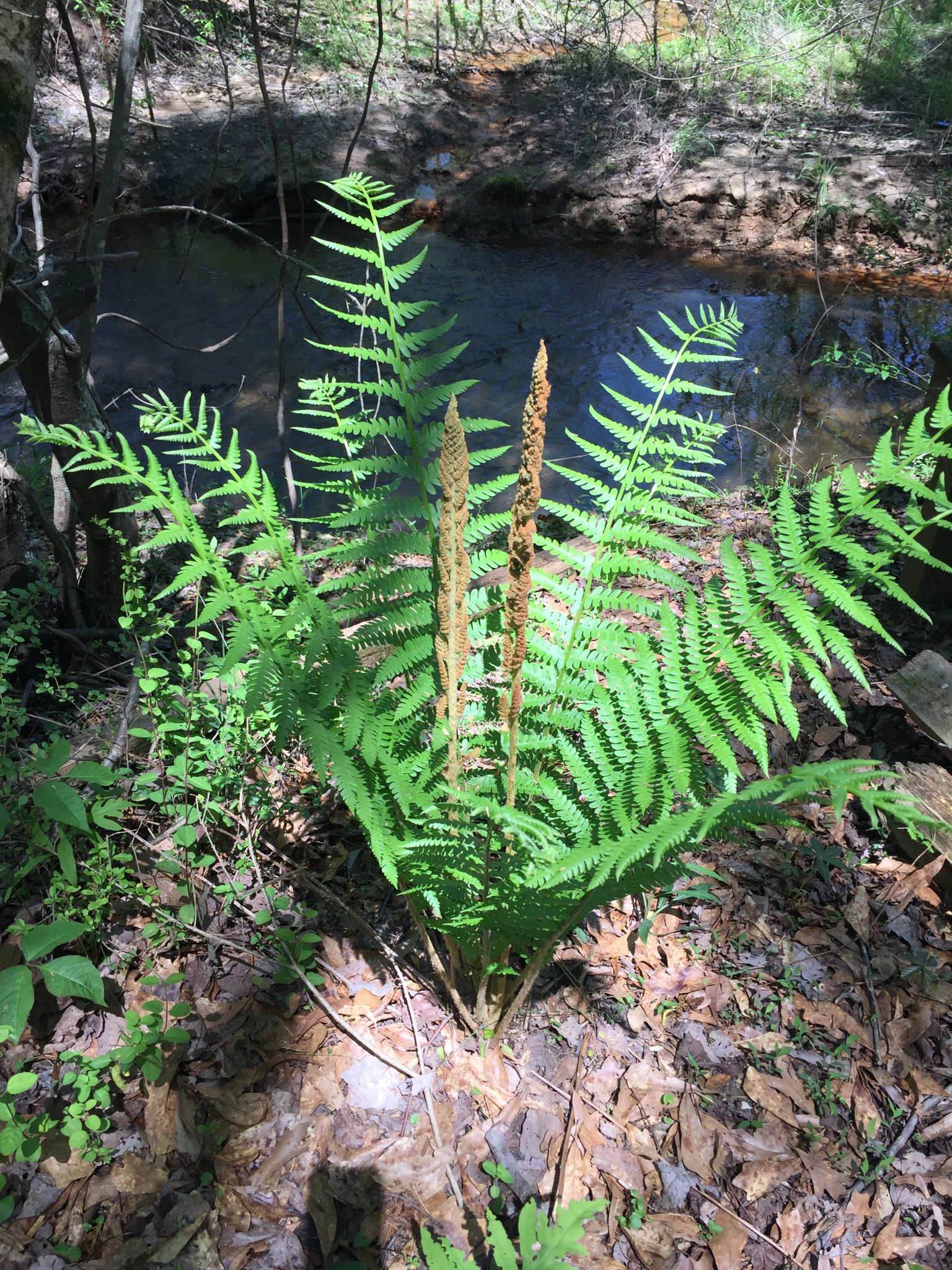
Plants – Ferns
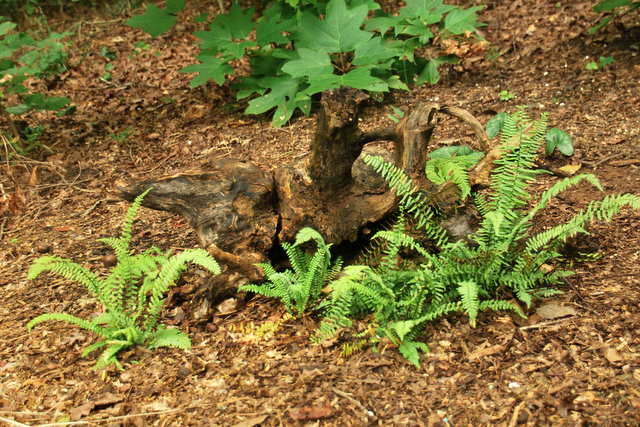
Plants – Groundcovers
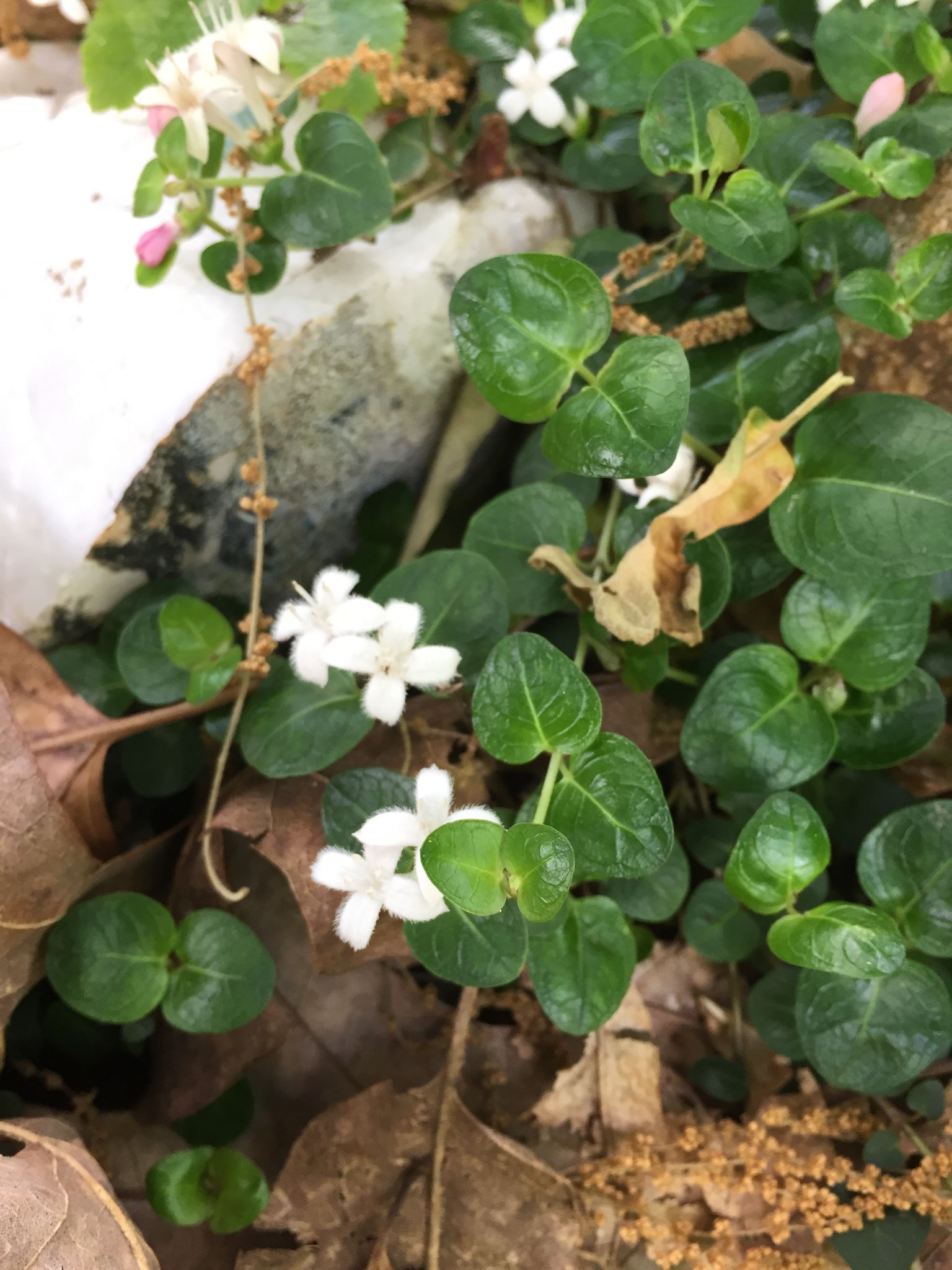
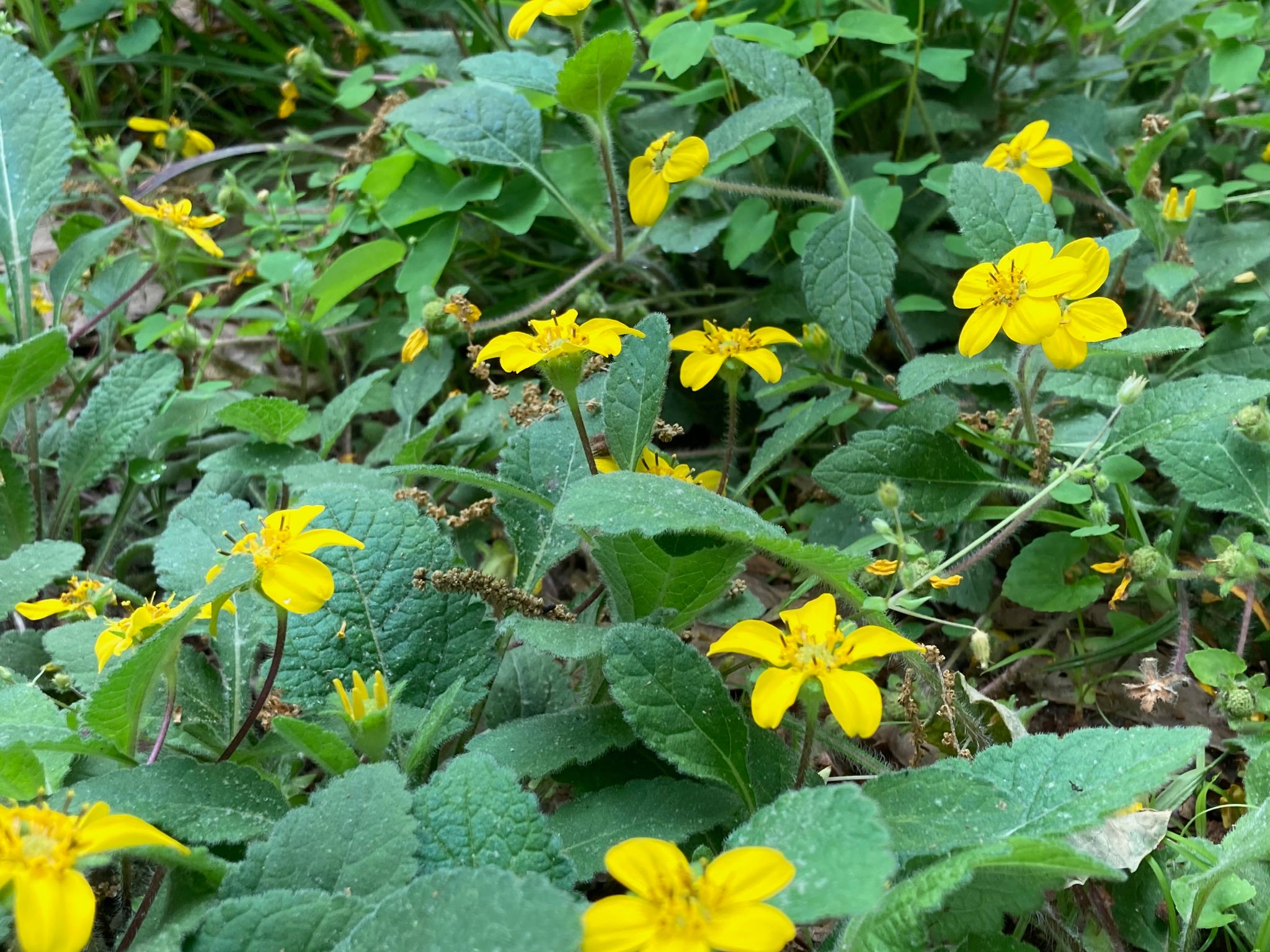
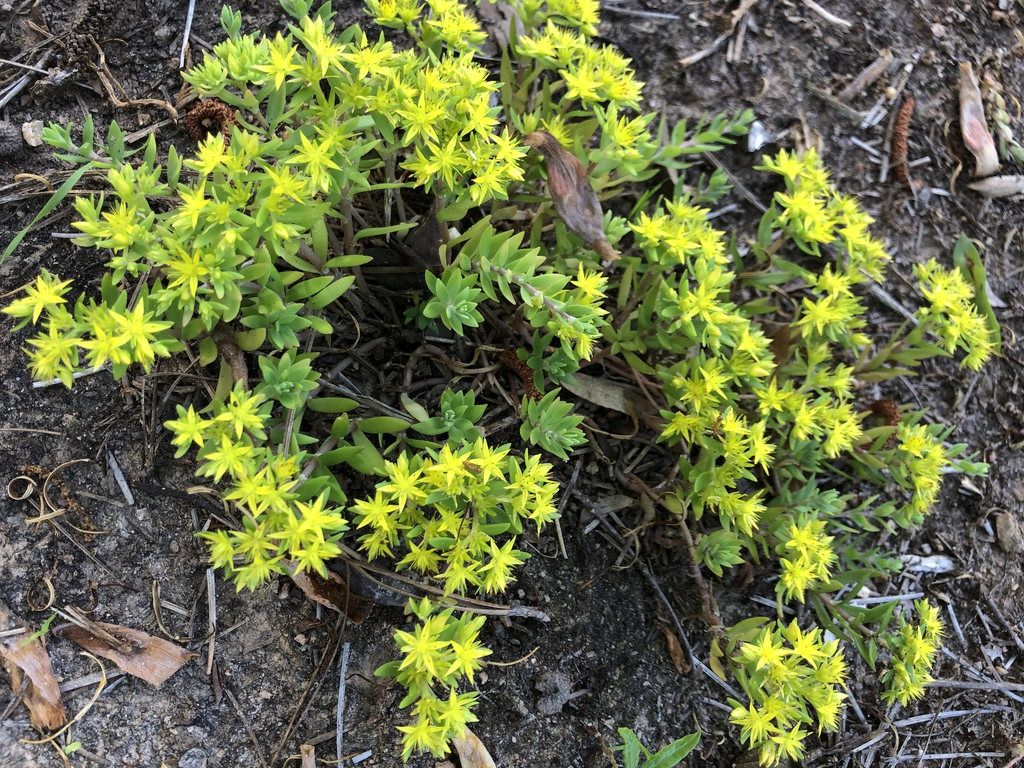
Attracting Wildlife – Our Top Picks
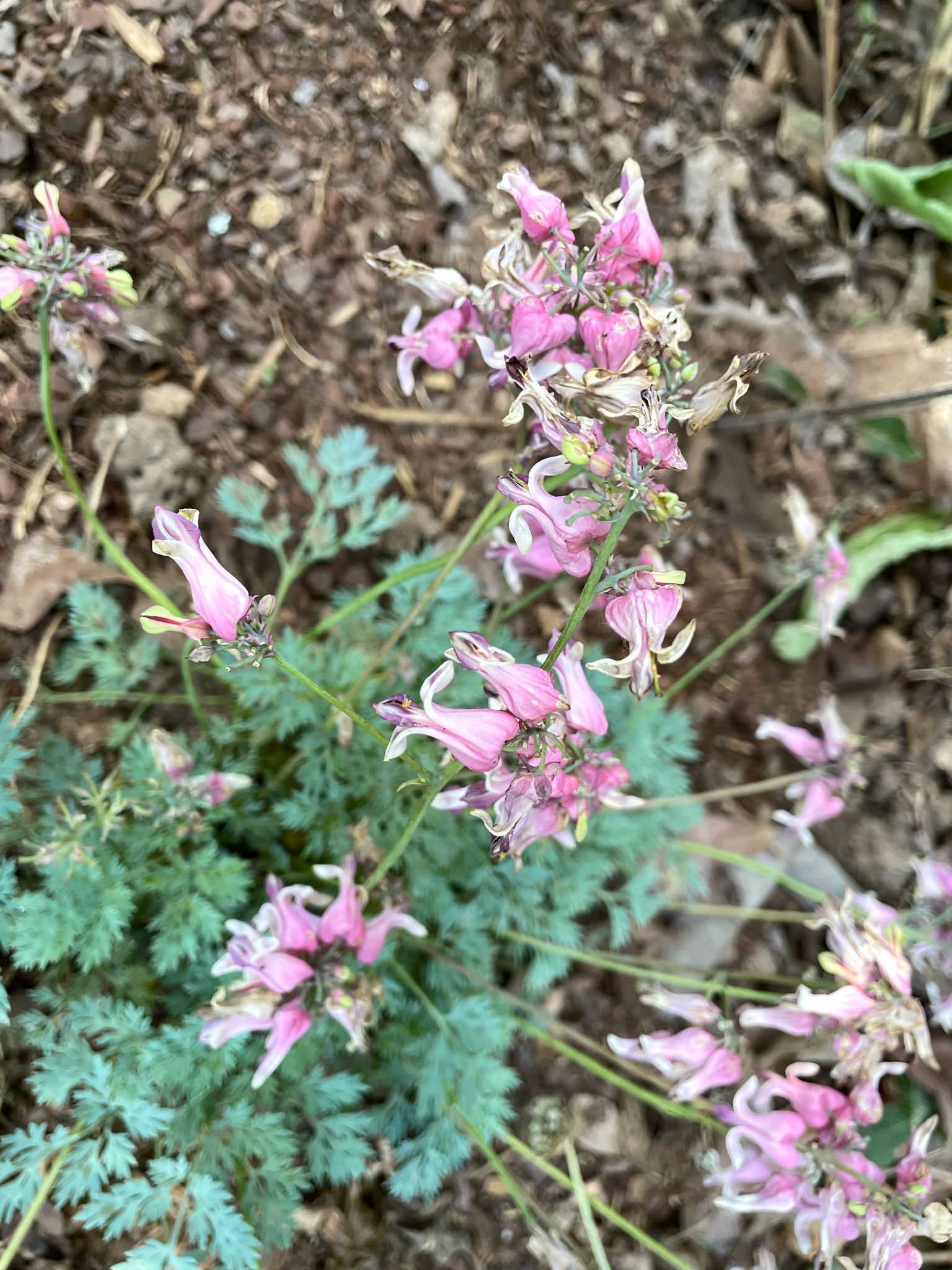
What Plants? Some Lists:
Resources at gnps.org/education:
- Plant lists and landscaping brochures for each ecoregion
- Suggested AlterNATIVEs to Common Landscape Plants
- Small Trees for Small Lots and Utility Areas
Other reliable resources:
- State Botanical Garden of Georgia Native Plant Initiative: botgarden.uga.edu/conservation-science/georgia-native-plant-initiative
- Homegrown National Park, Dr. Doug Tallamy: homegrownnationalpark.org
- NC State Extension Plant Toolbox: plants.ces.ncsu.edu
- Georgia Stormwater Management Manual
- Gardening with Native Plants of the South by Sally Wasowski
- National Wildlife Federation Native Plant Finder: nativeplantfinder.nwf.org
Common Concerns with Native Plants
Native plants look messy and floppy.
- Make a plan! Native plants can fit into a variety of garden designs just like exotic plants.
- Plant densely and use pruning techniques like the Chelsea chop to keep plants more compact.
Native plants don’t bloom long enough.
- Plant a seasonal array – spring, summer, and fall bloomers – so there is color (and food for pollinators) throughout the year.
- Pruning techniques like deadheading and the Chelsea chop can increase bloom time.
Common Concerns with Native Plants
My HOA has rules about how my property should look.
- Read the rules – is there a plant list? There are many native alternatives that can meet standards in a manicured yard. (We can help!)
- Business in the front, party in the back? Some rules are only for front yards. There may be space in the back or side yard where a native garden can be installed.


Next Level Native Gardening – Certifying Your Habitat
- Signage educates people!
- Certified gardens can collectively create habitat corridors.
- Birds Georgia
- There are many recognition programs for all levels of gardening.
- GNPS Habitat Certification
- Connect to Protect
- National Wildlife Federation
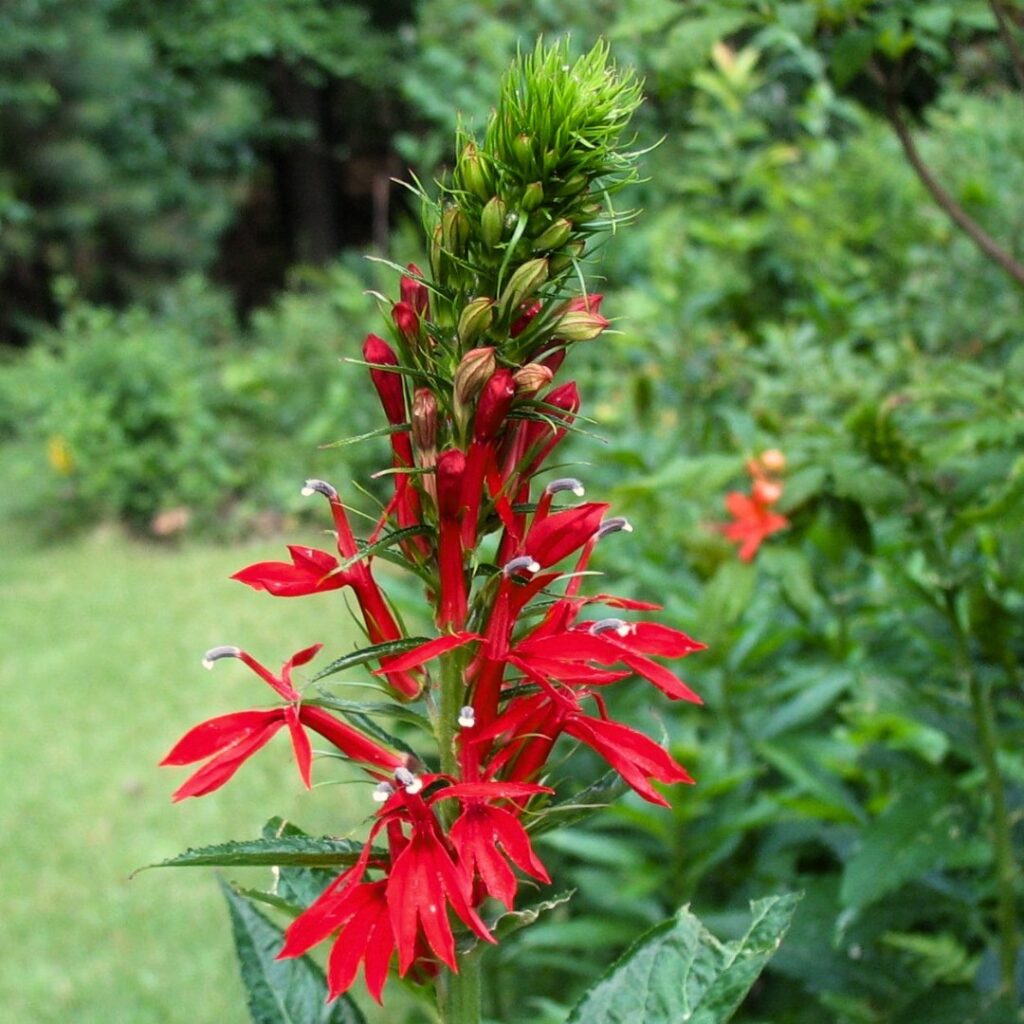
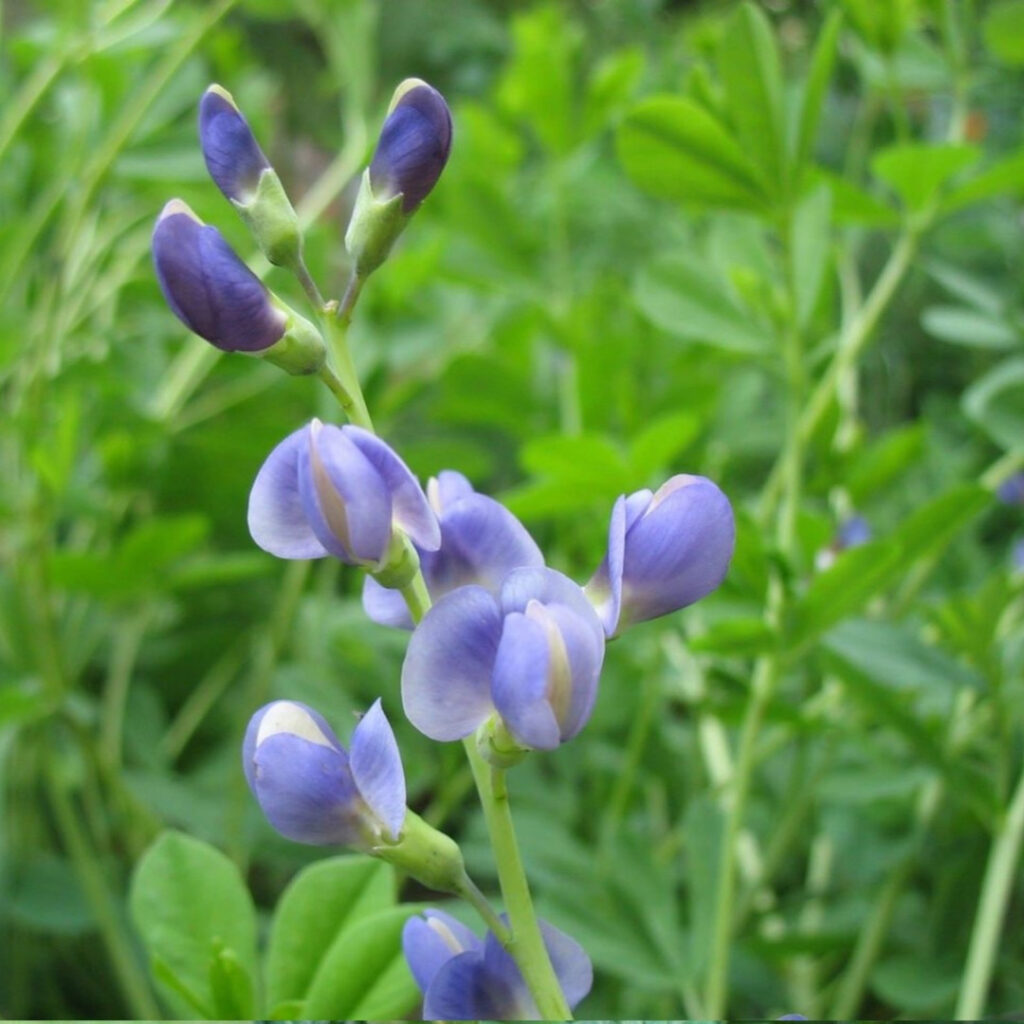
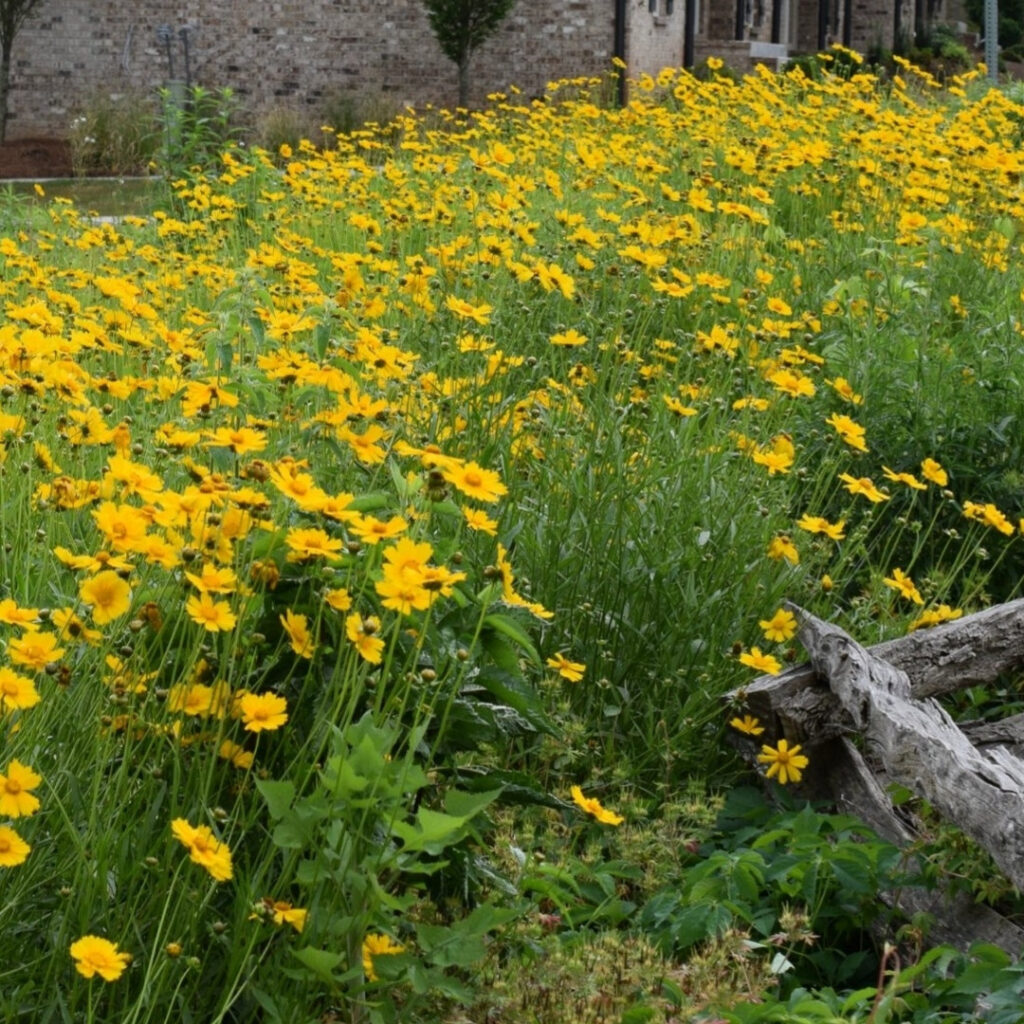
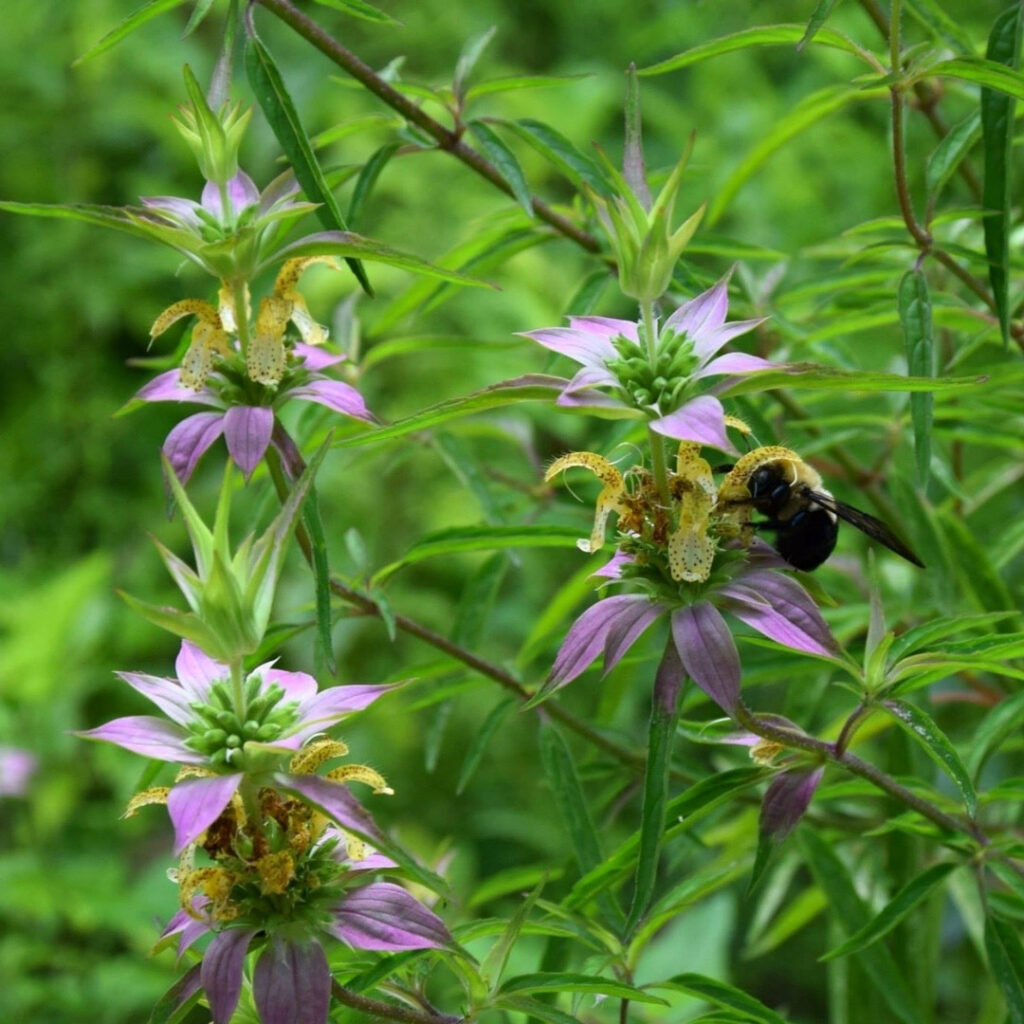
Today’s Free Native Plants:
Plant Sources: